Home › Axolotl Coloring Pages
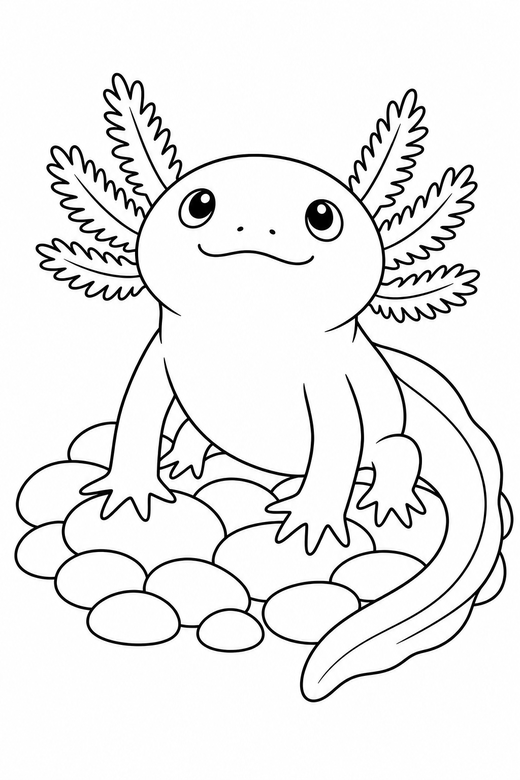
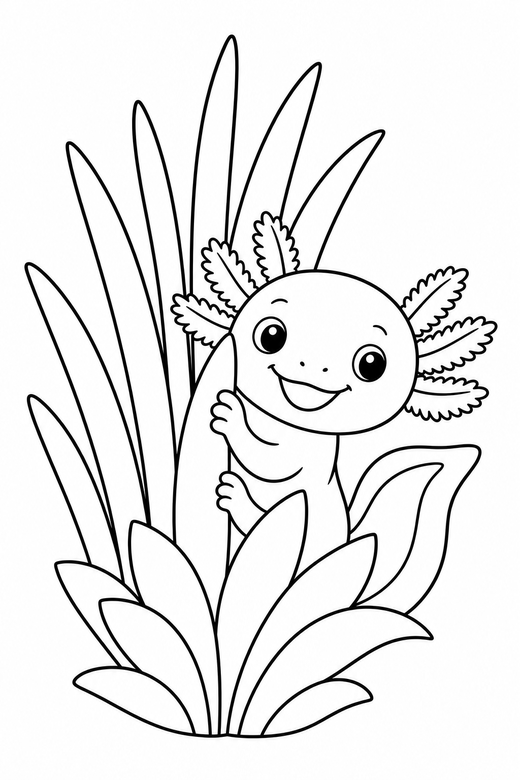
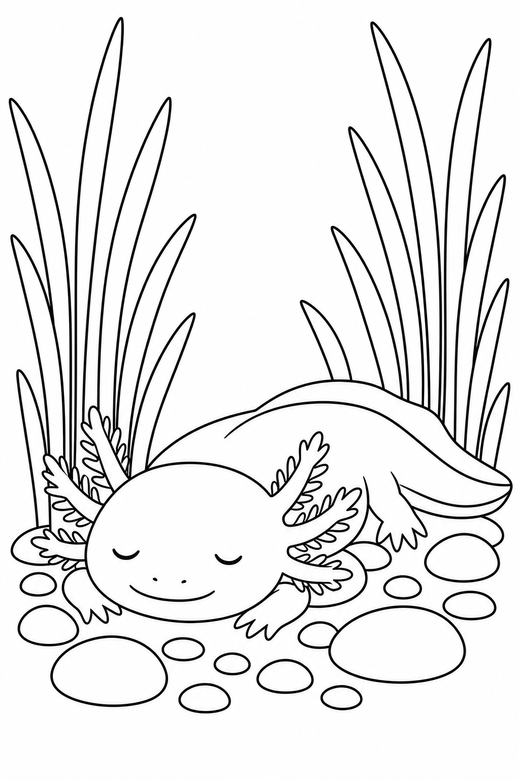
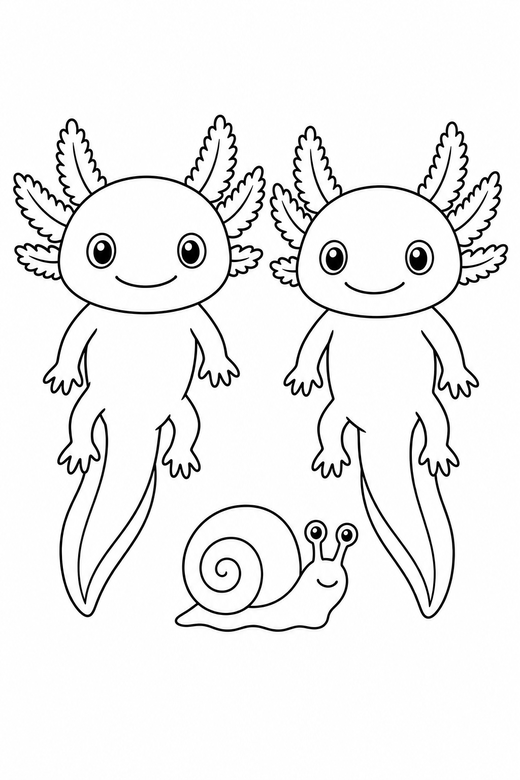
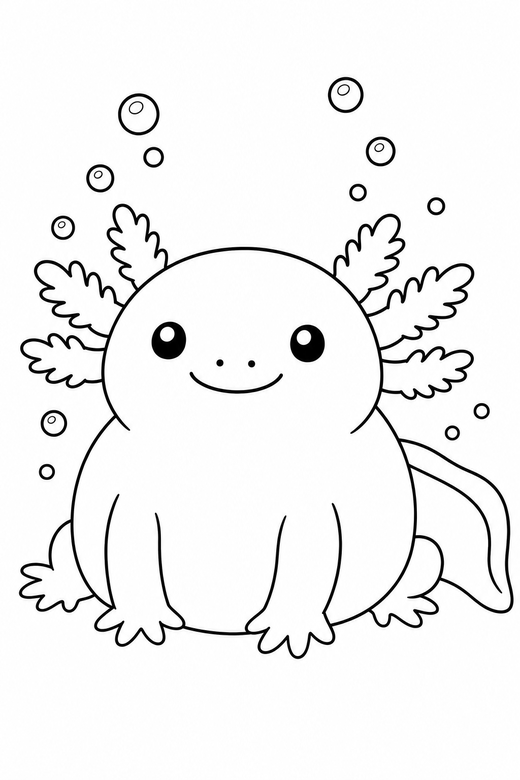
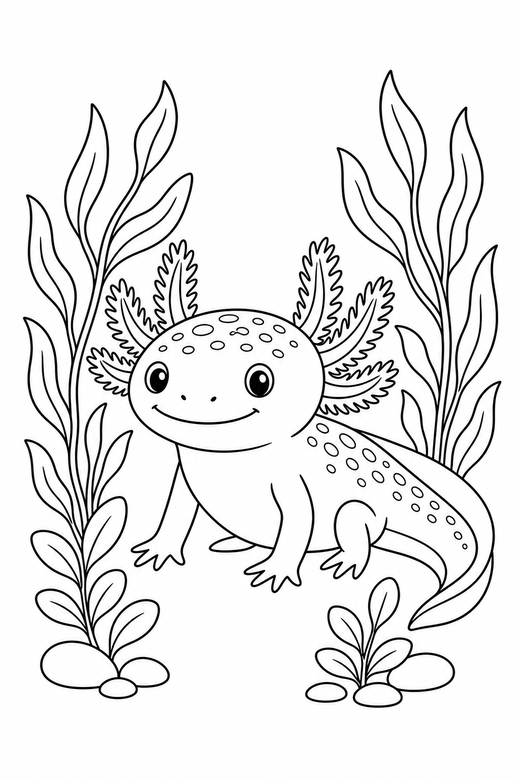
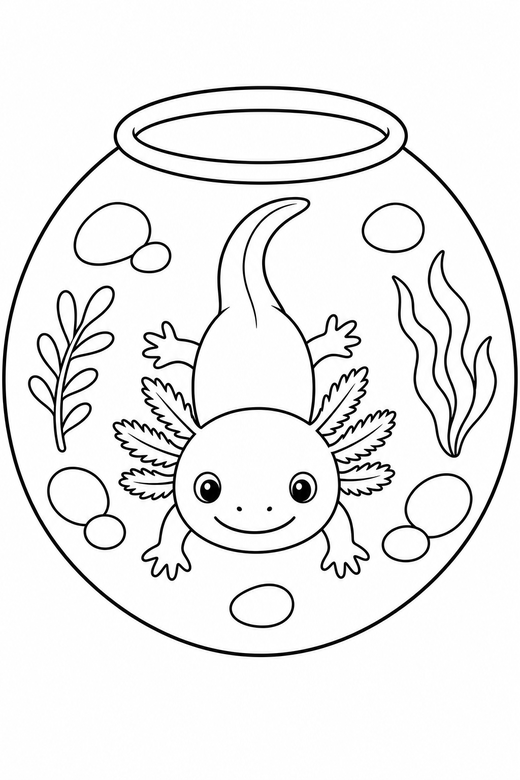
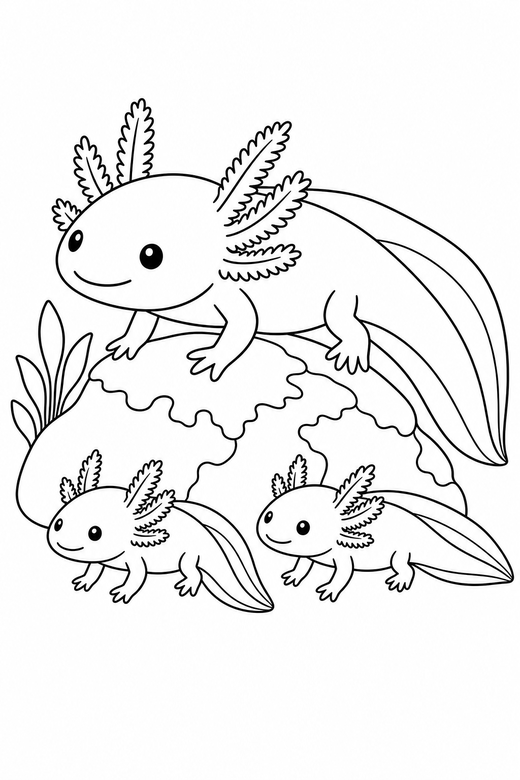
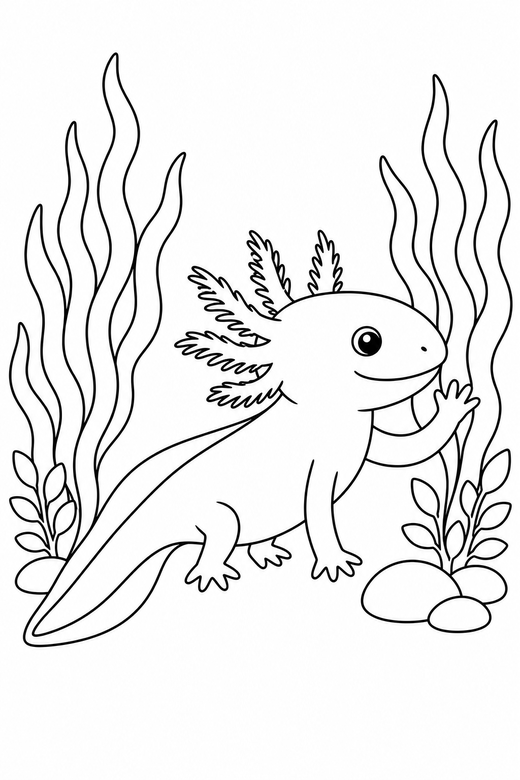
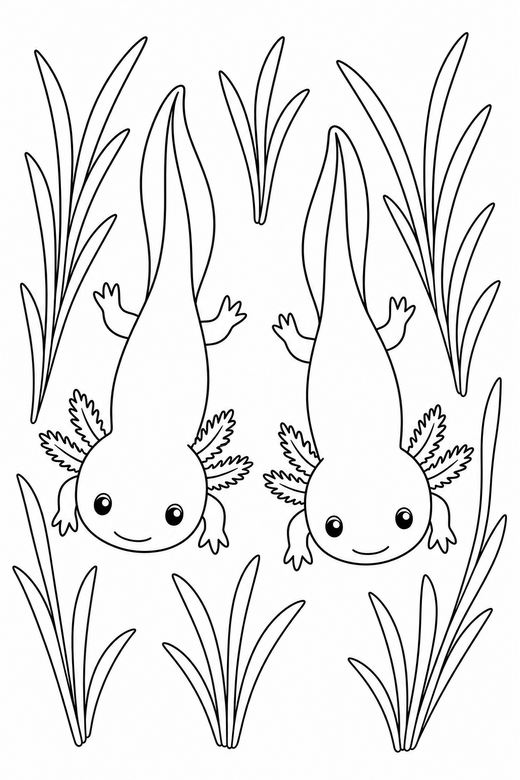
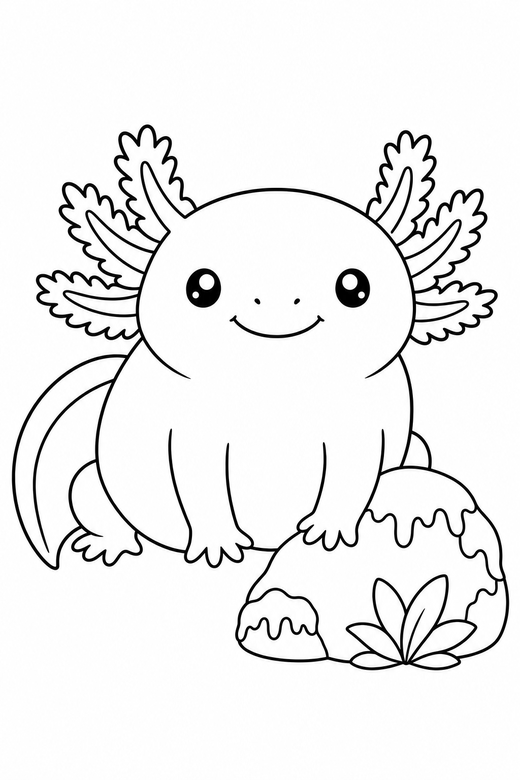
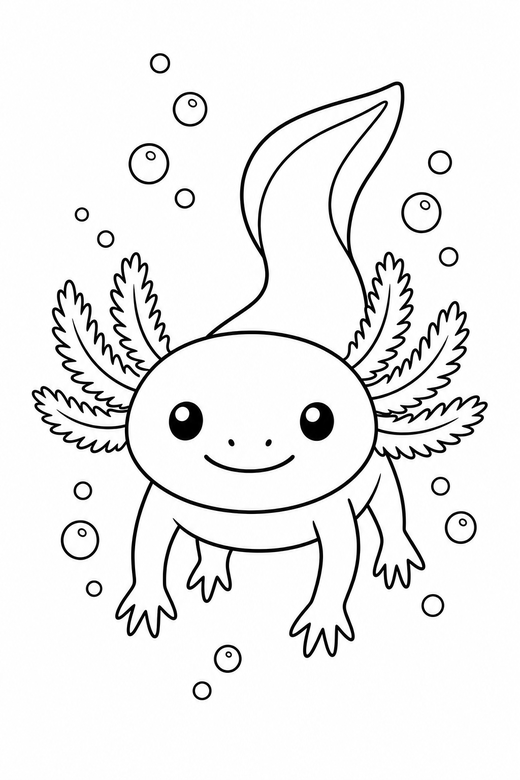
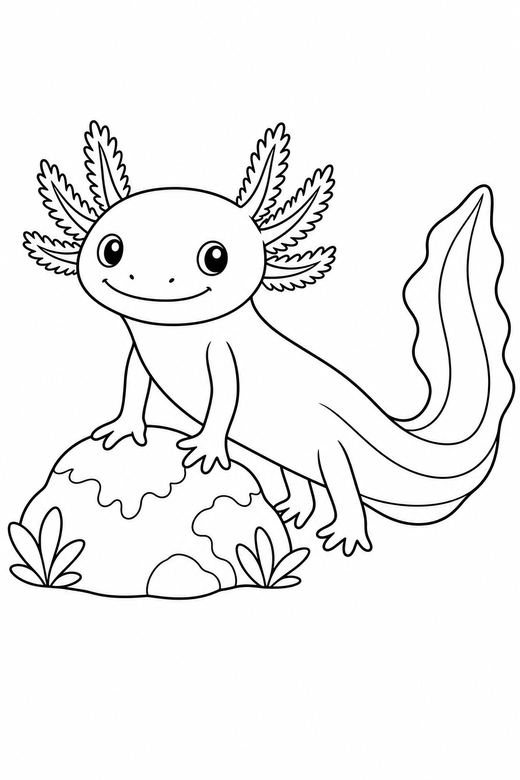
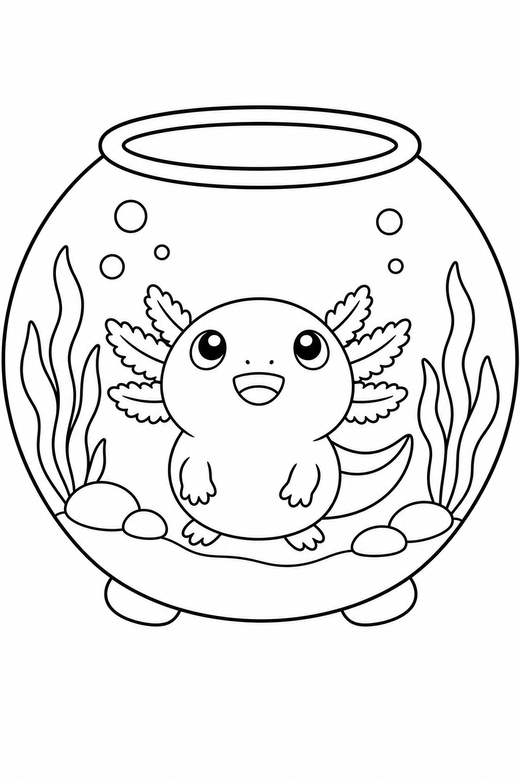
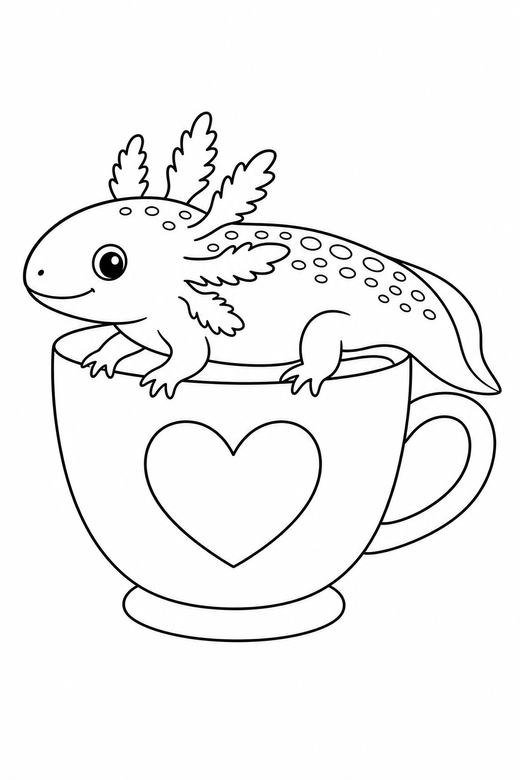
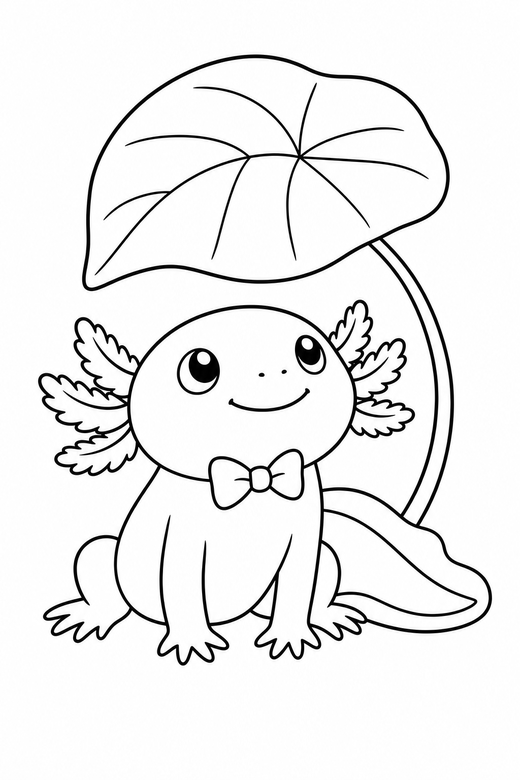
100 Free Printable Axolotl Coloring Pages One hundred axolotl coloring pages. The feathery gills are the reason this animal works so well as a coloring page: they break the head into a dozen small shapes, so there is somewhere for every colour to go.
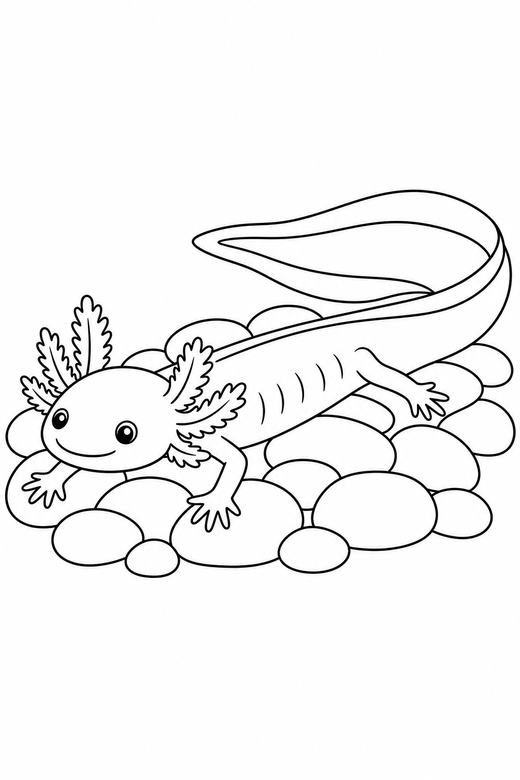
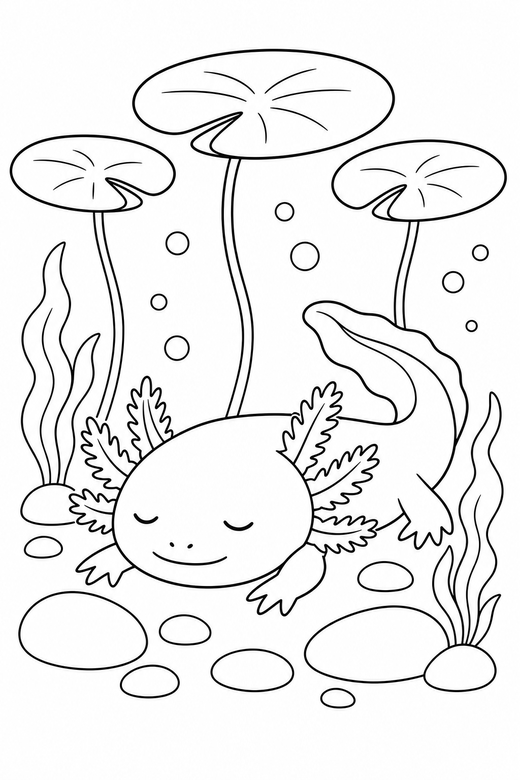
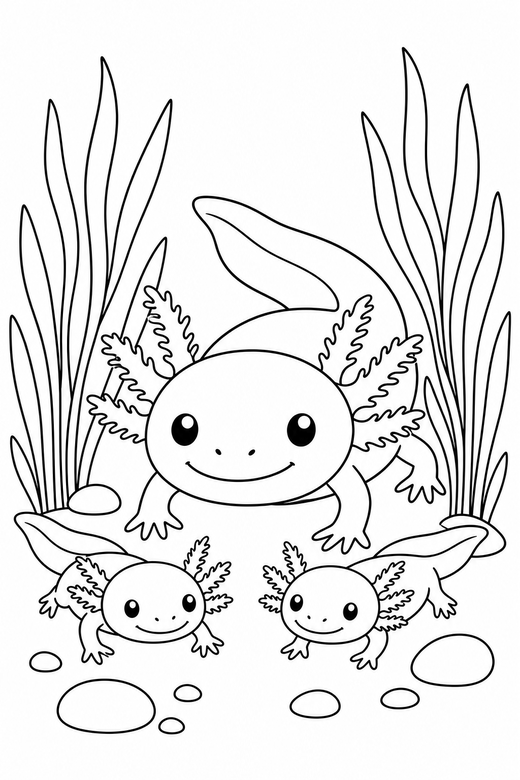
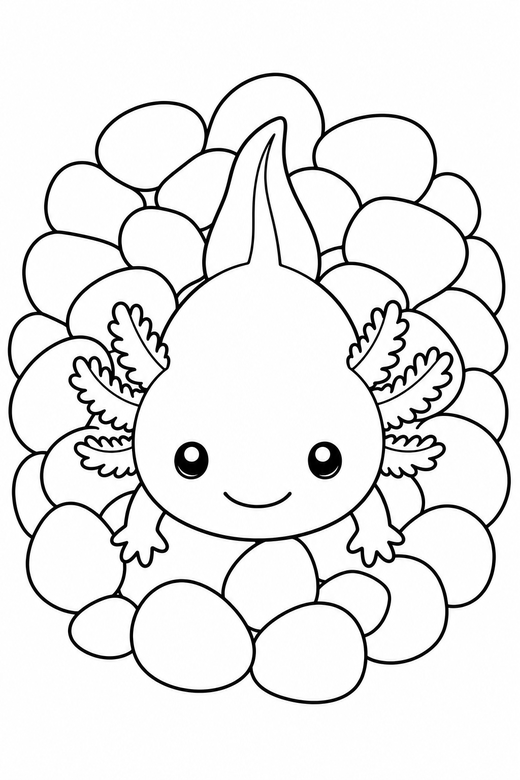
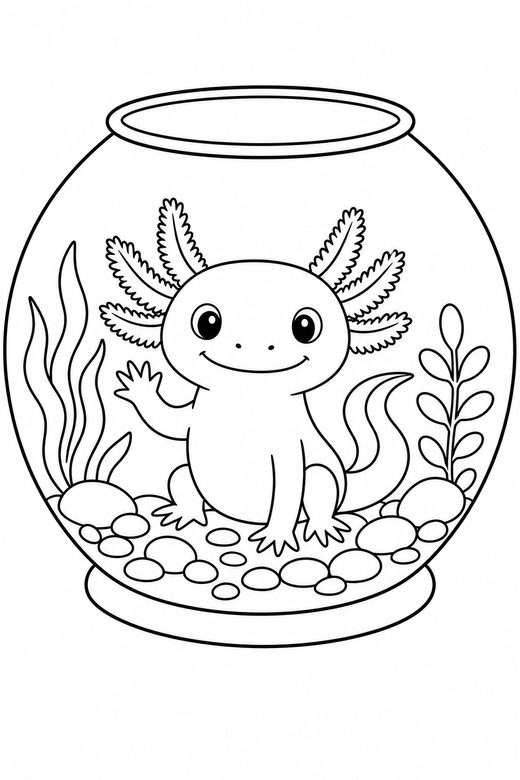
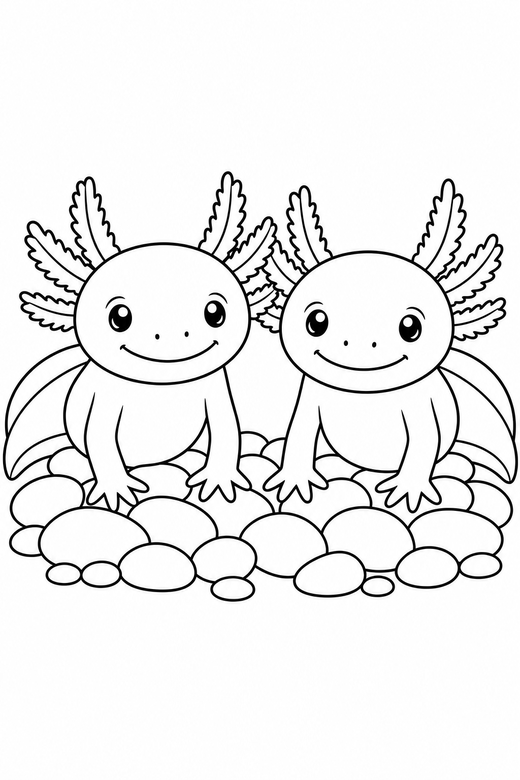
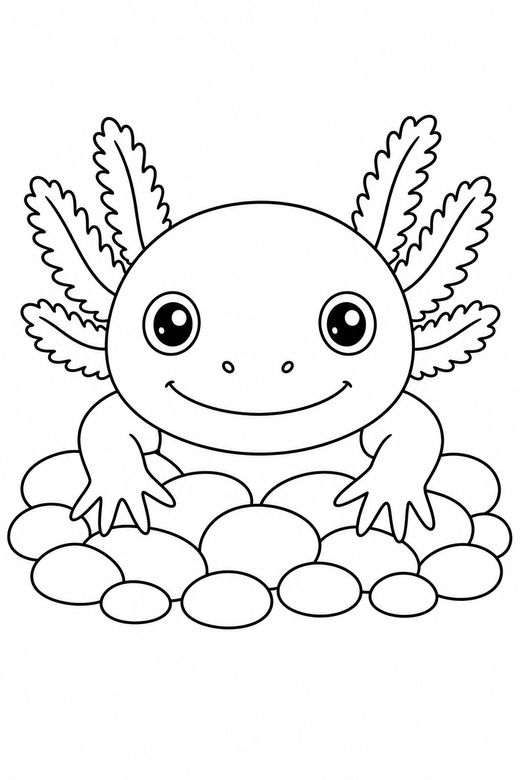
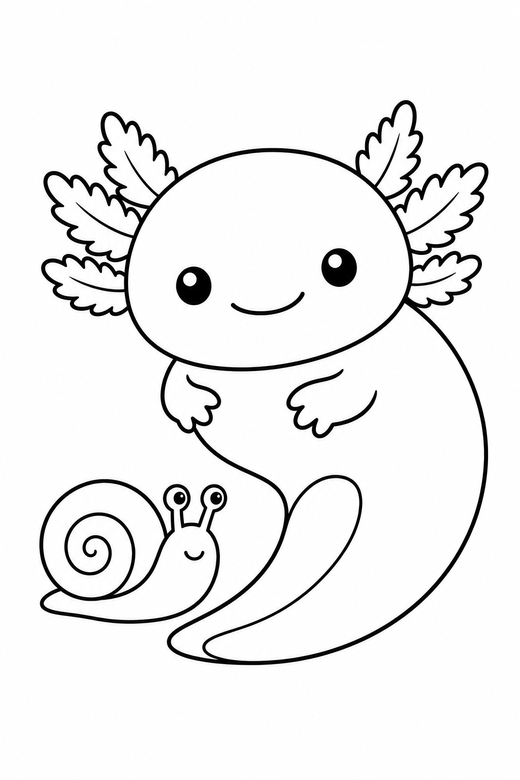
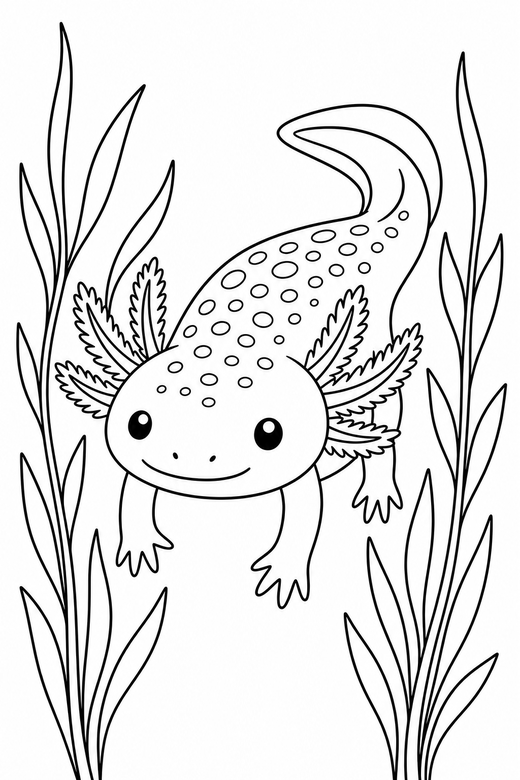
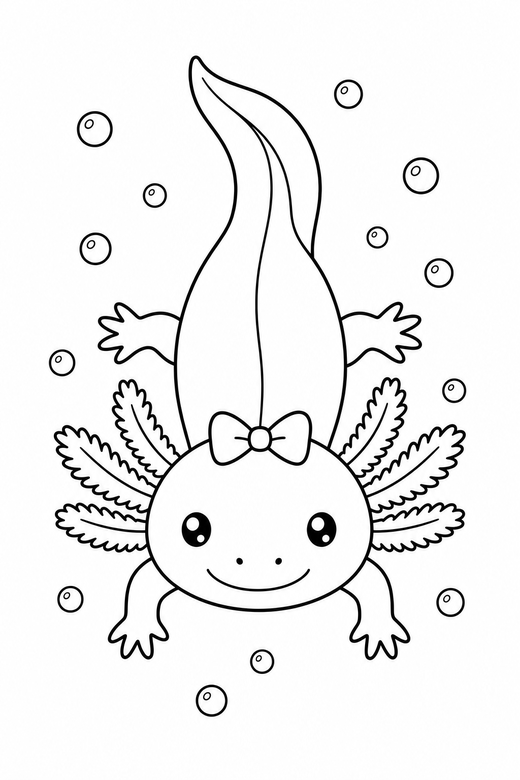
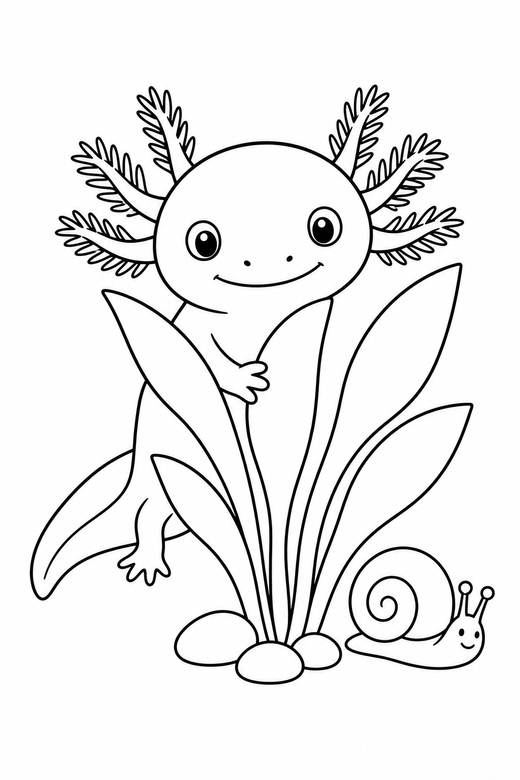
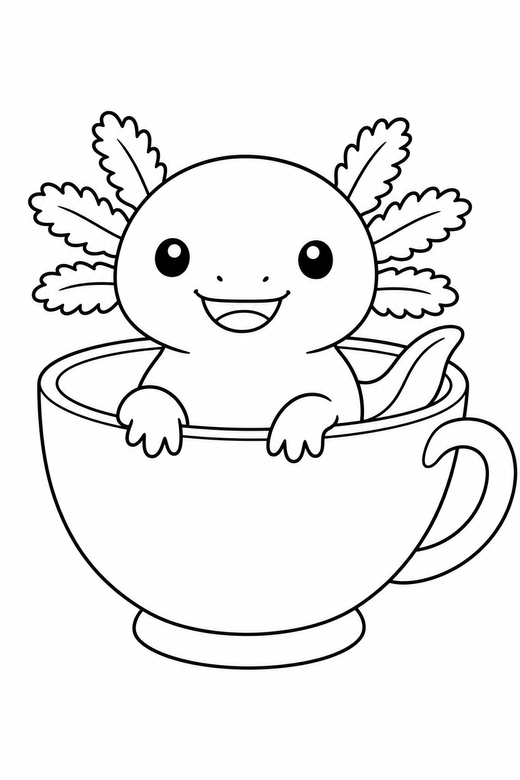
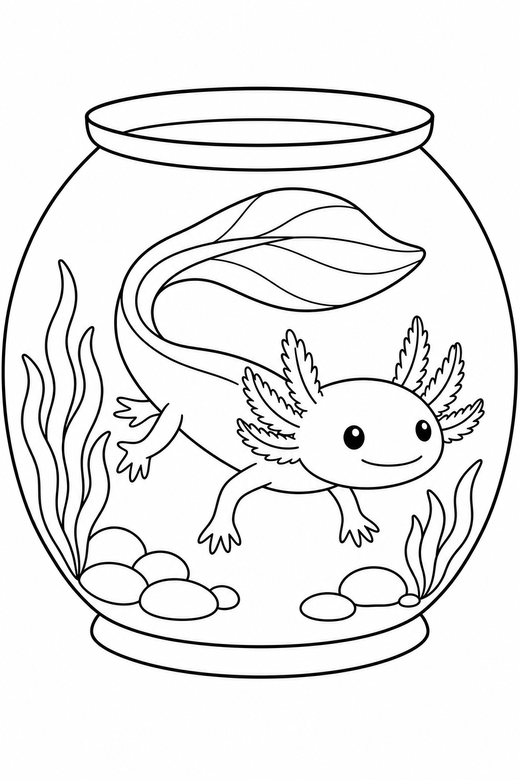
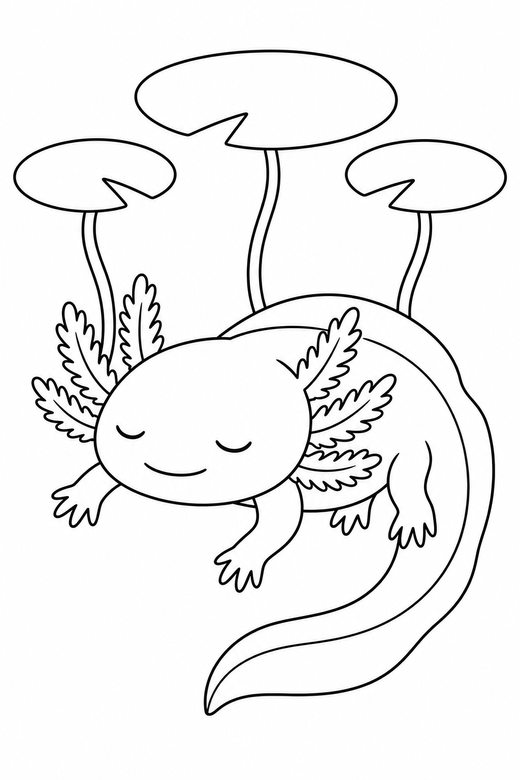
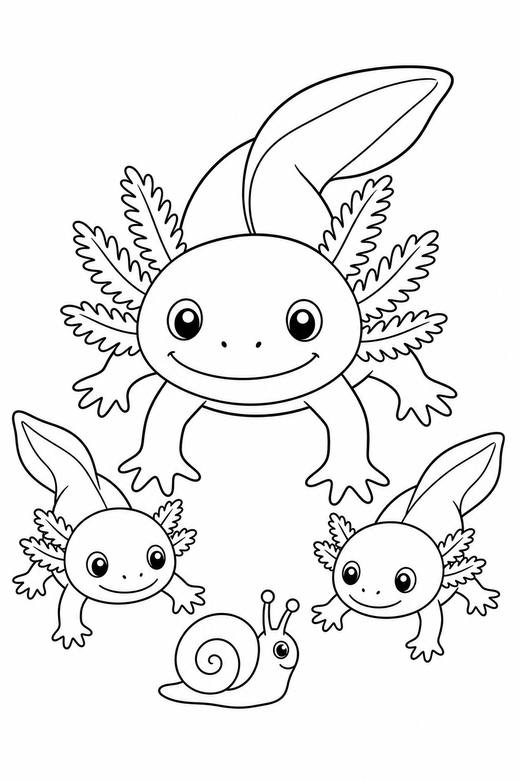
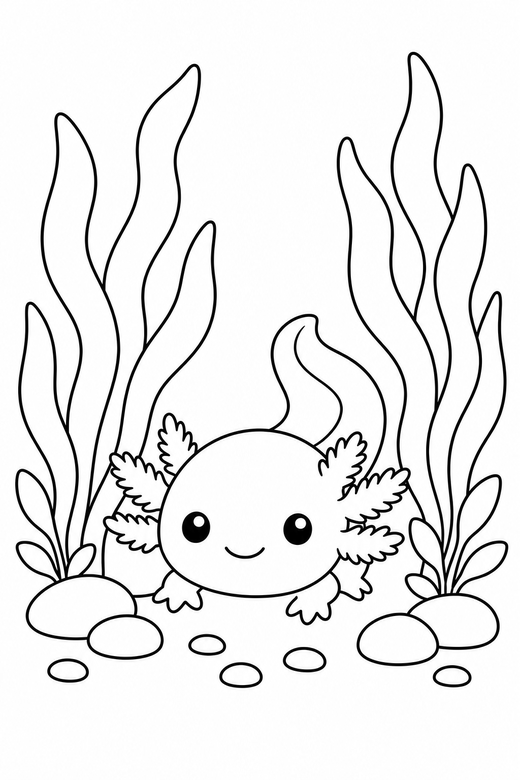
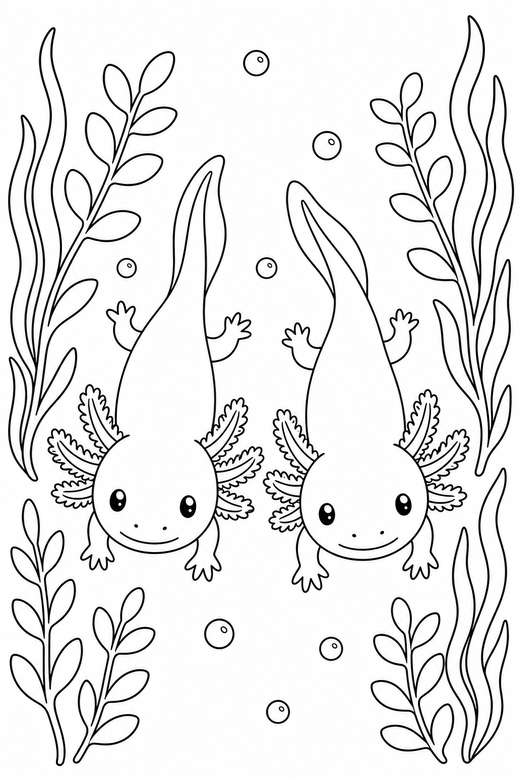
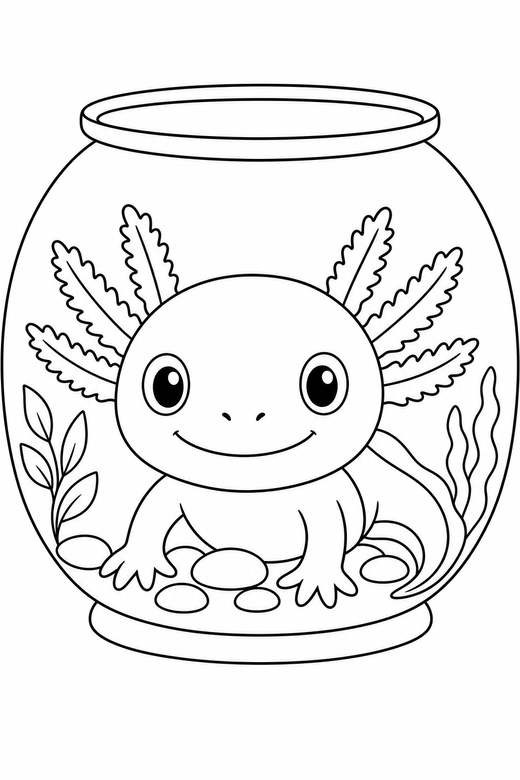
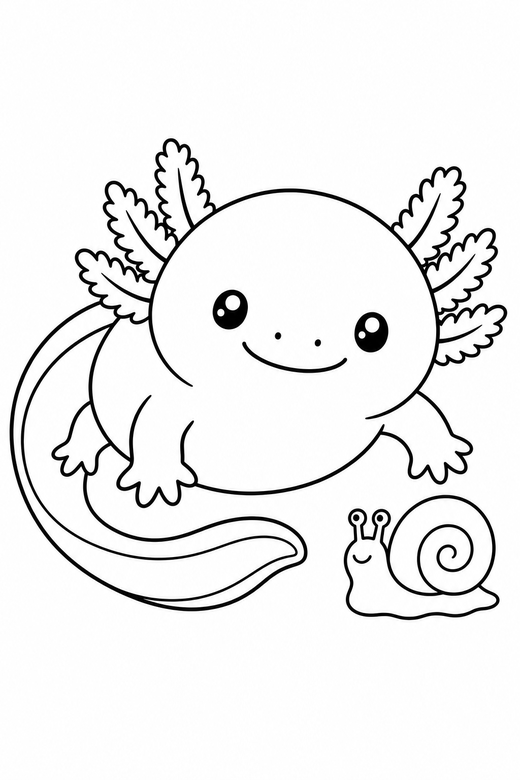
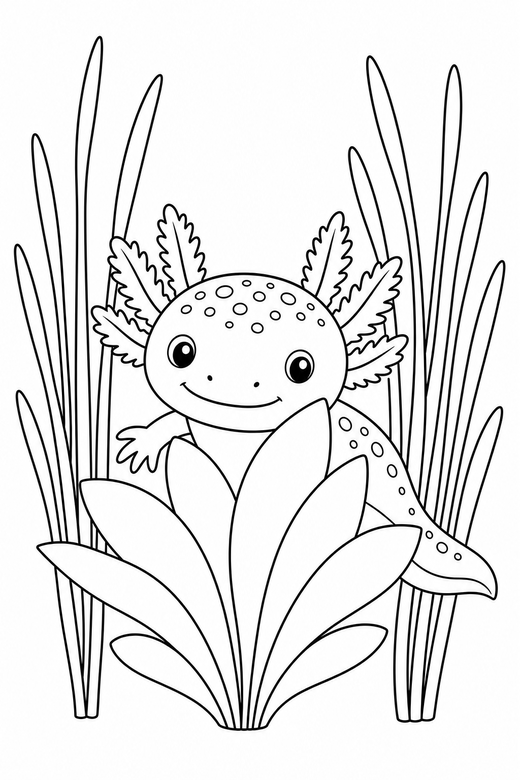
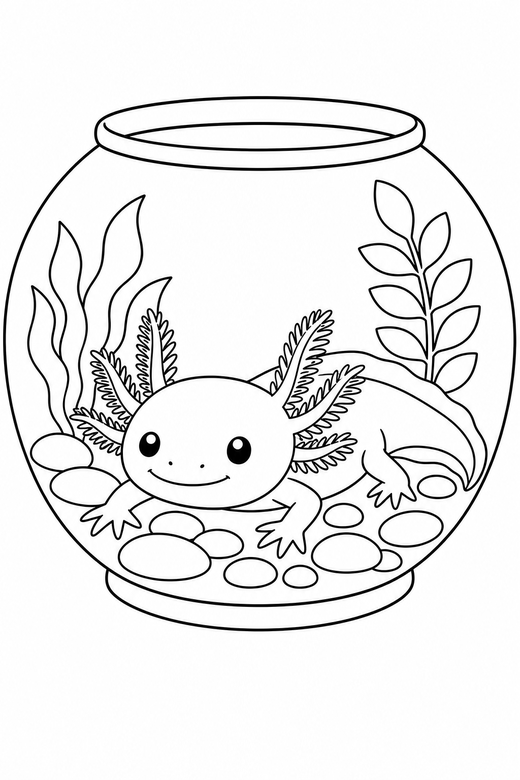
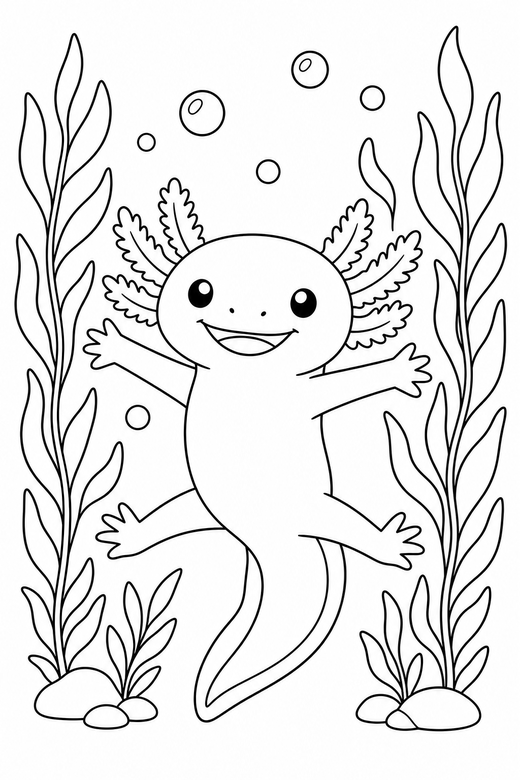
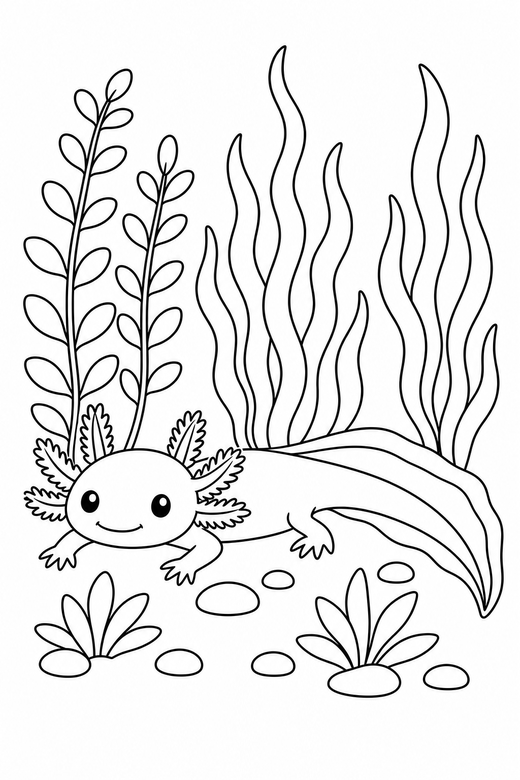
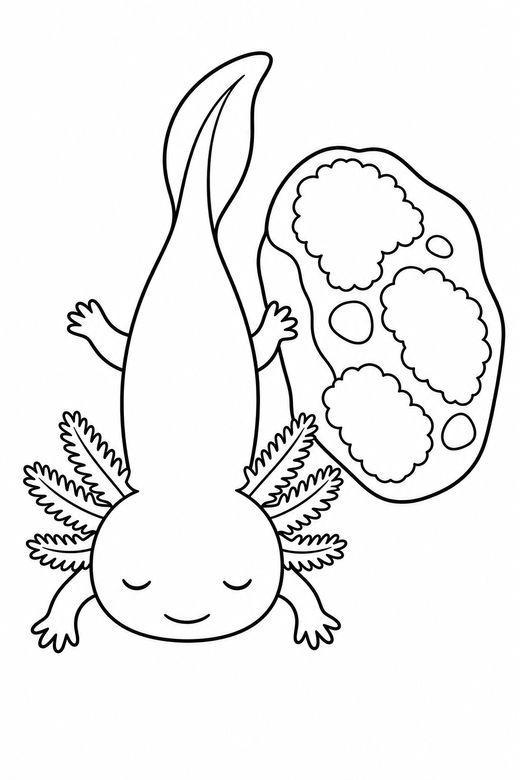
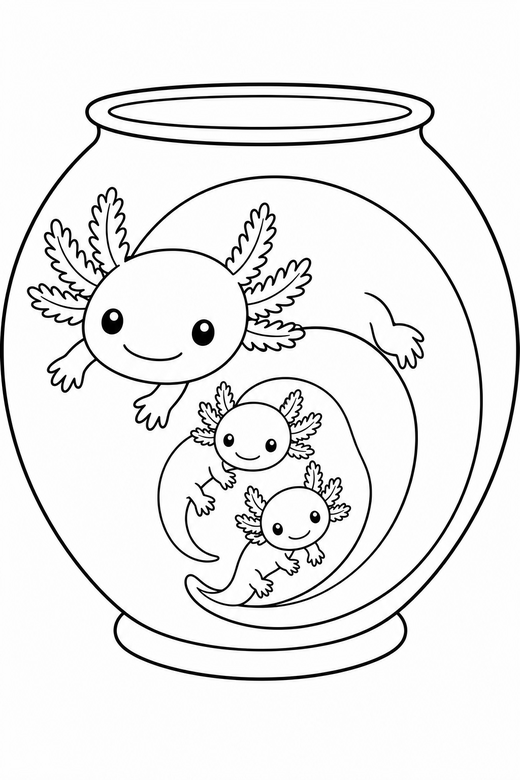
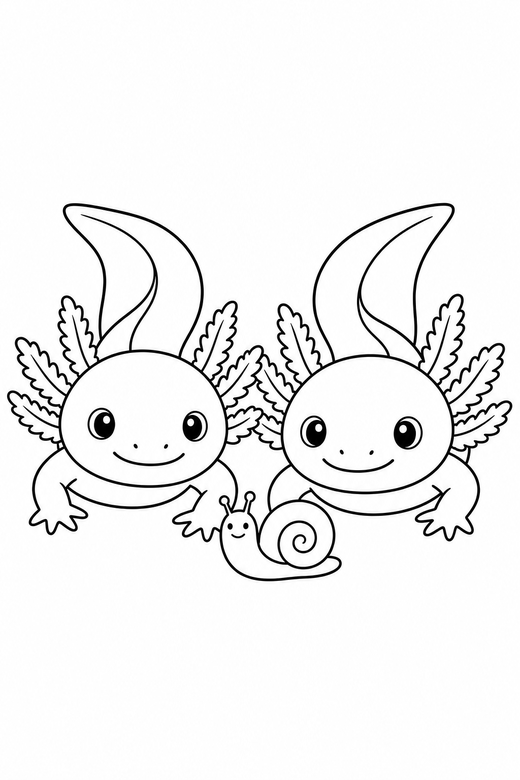
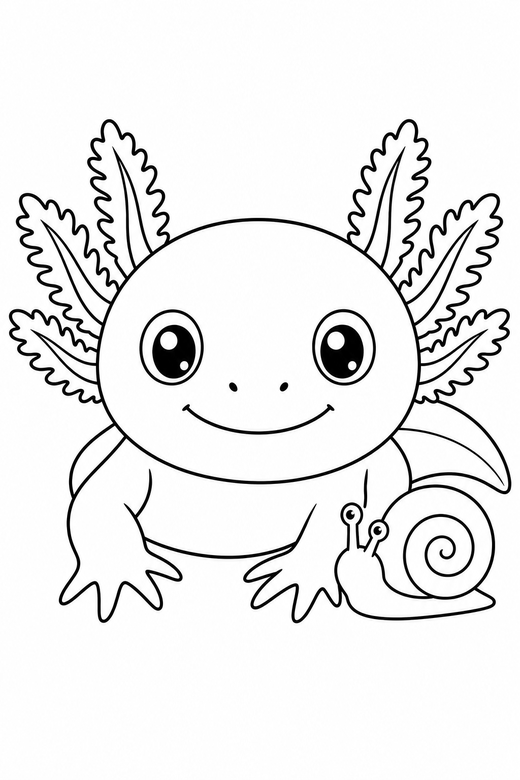
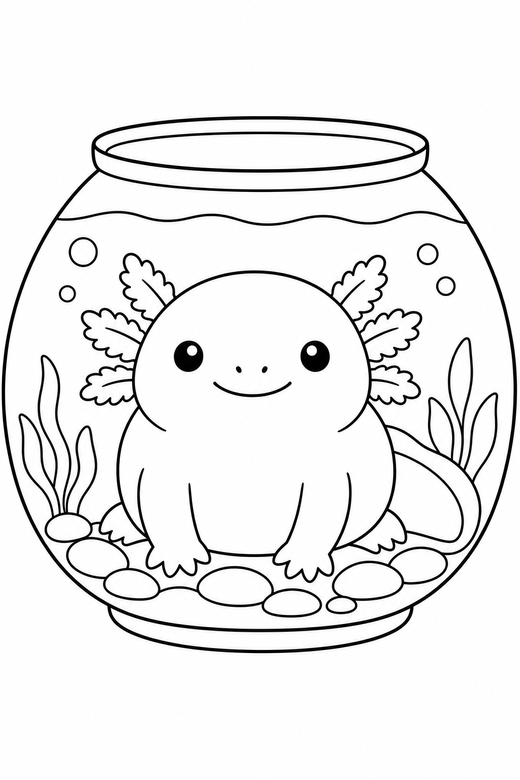
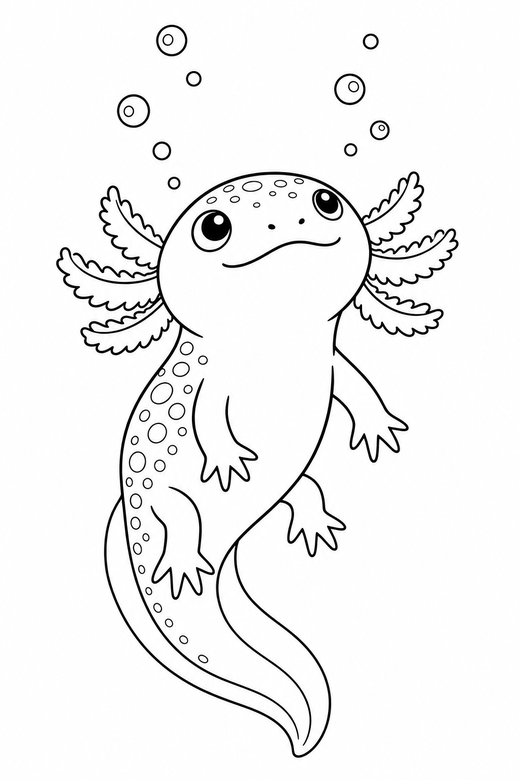
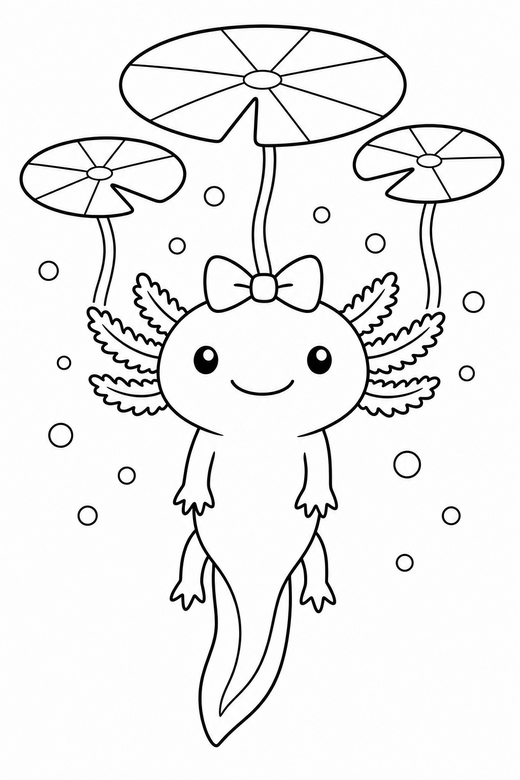
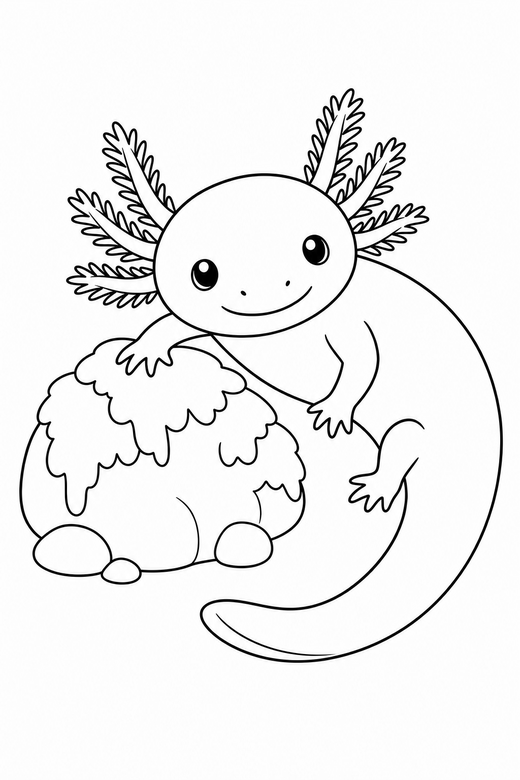
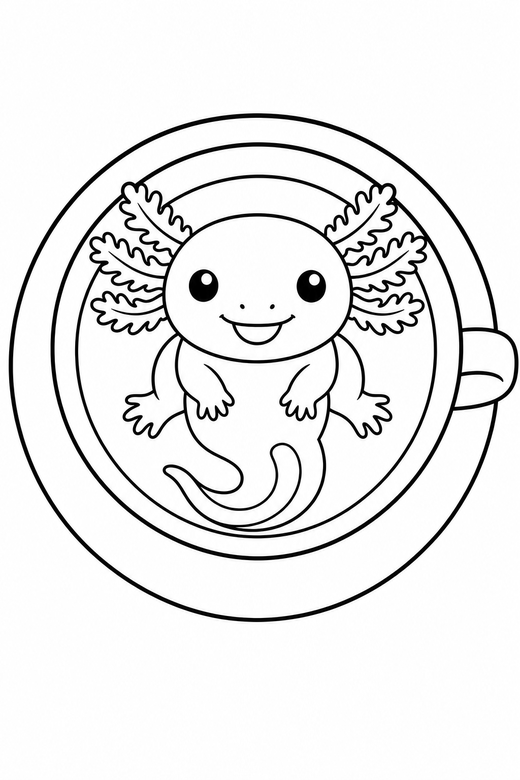
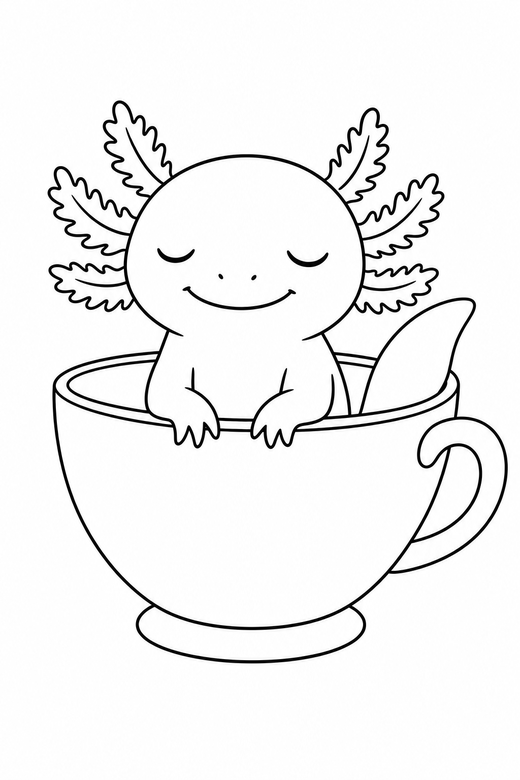
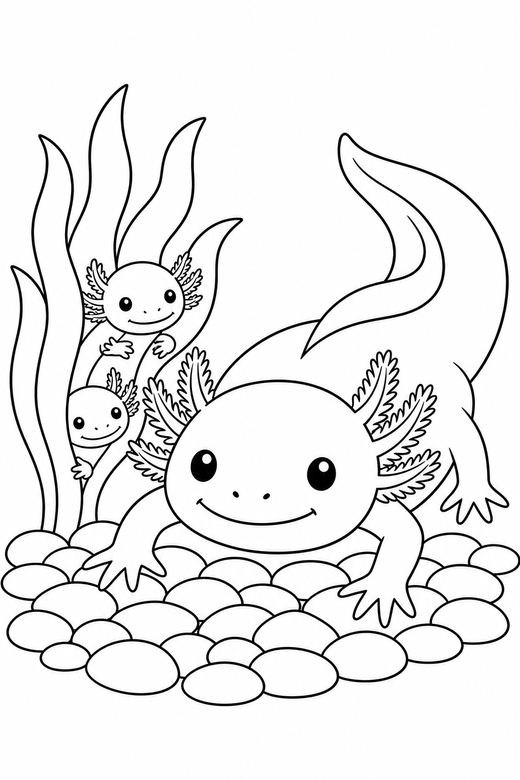
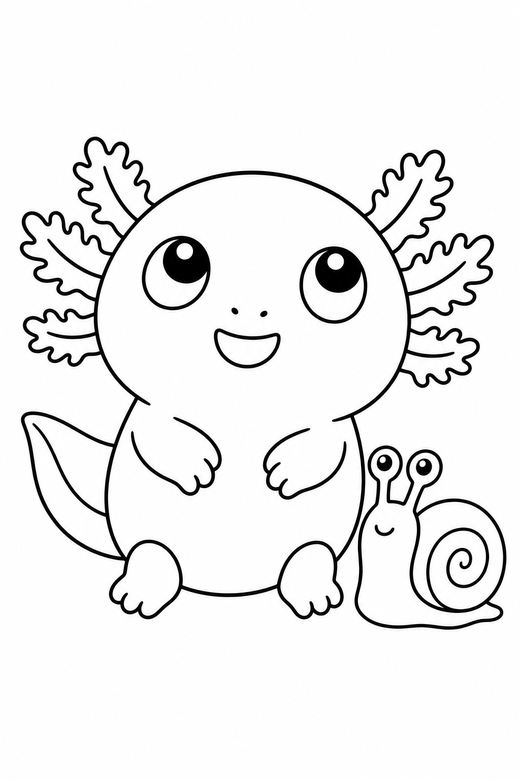
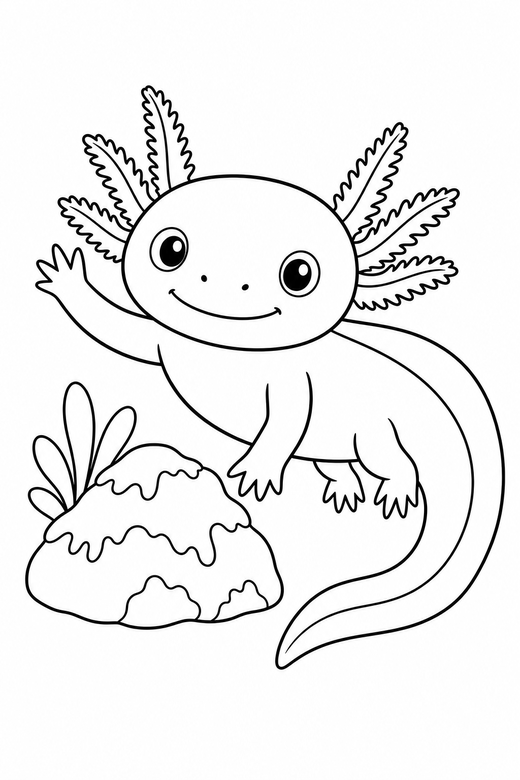
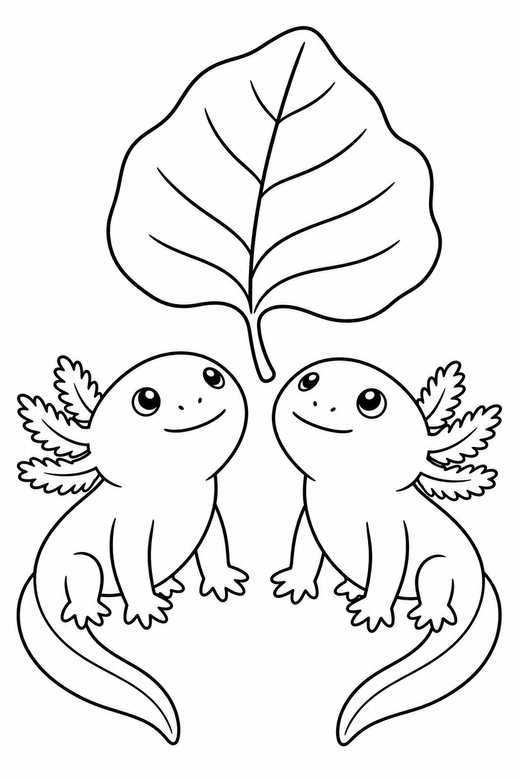
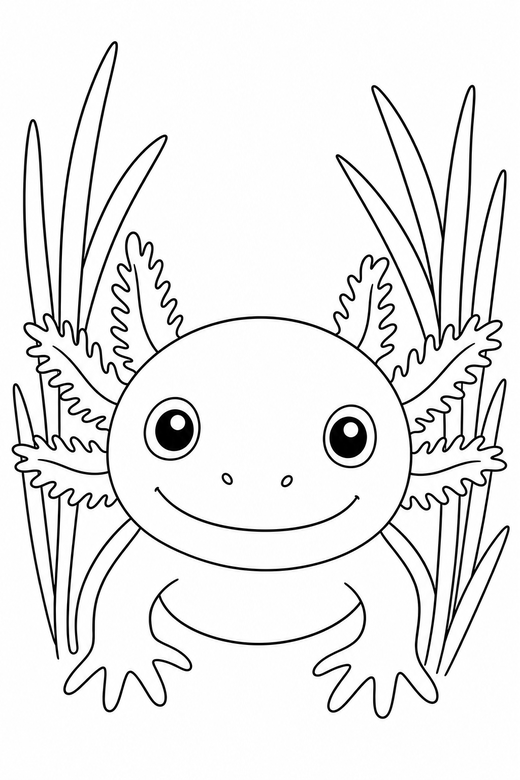
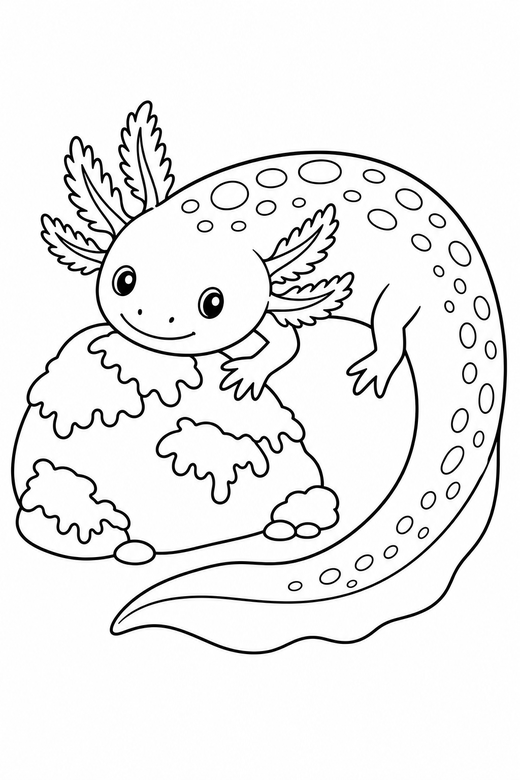
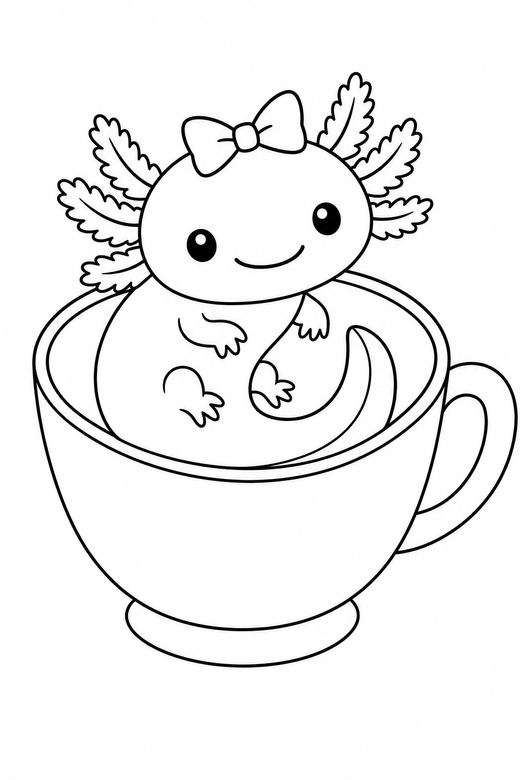
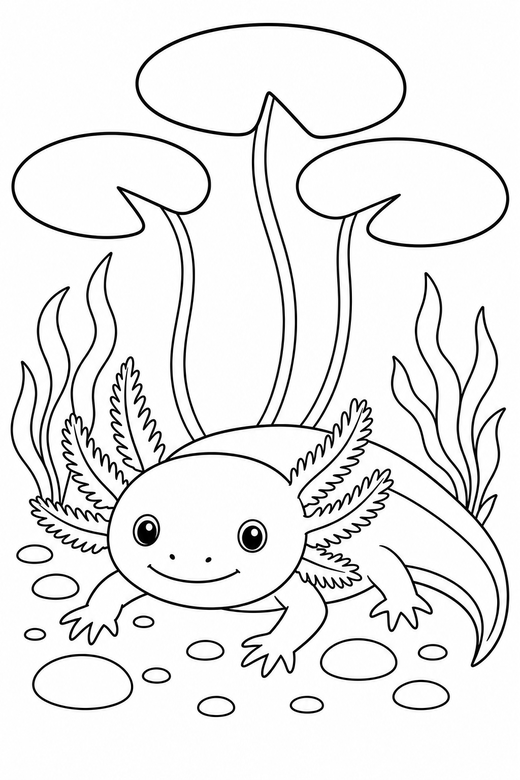
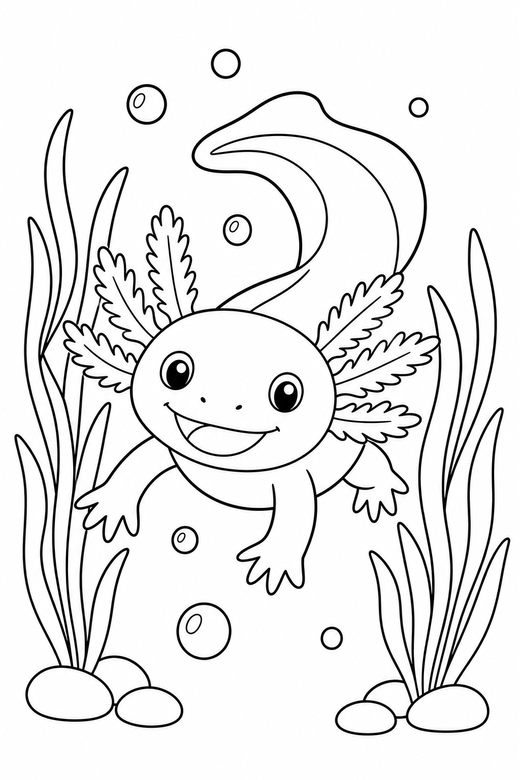
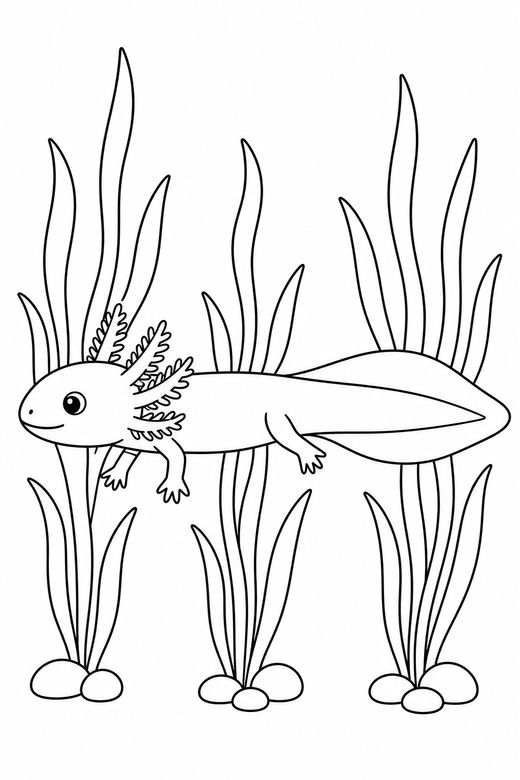
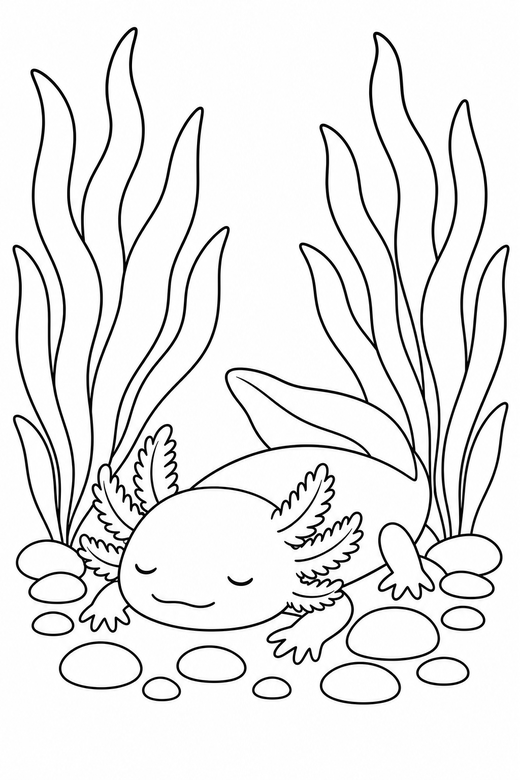
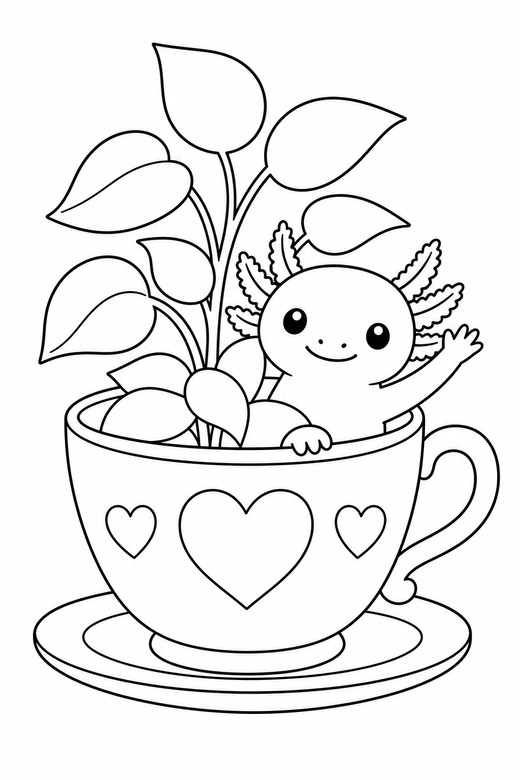
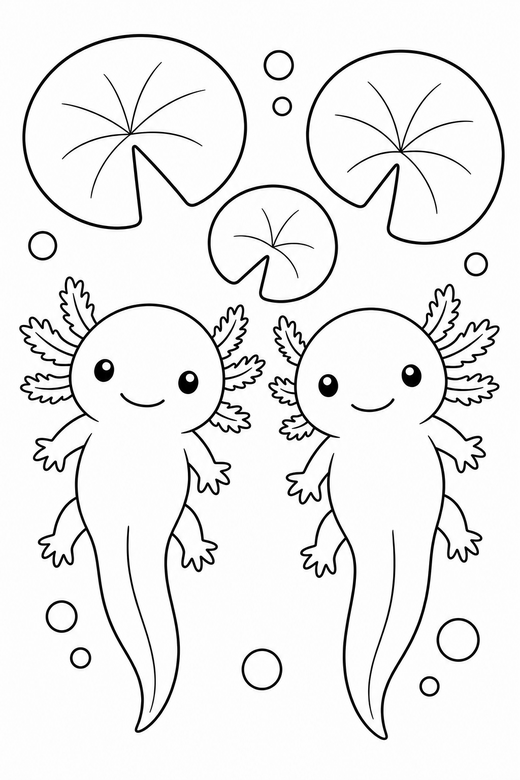
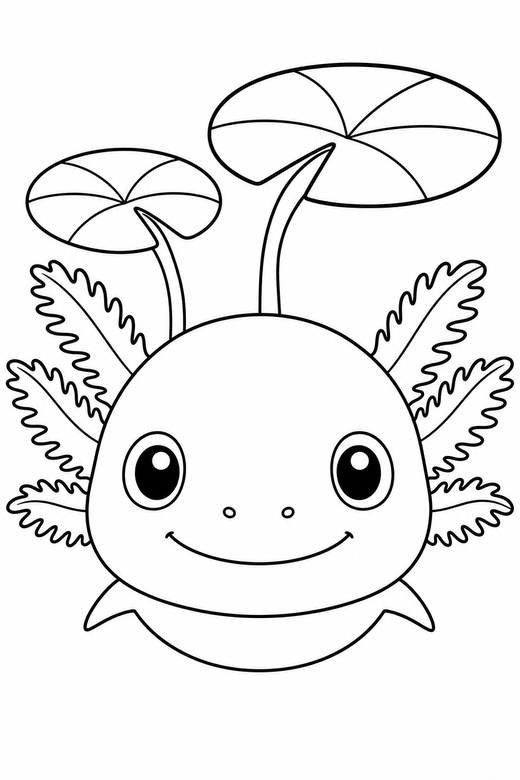
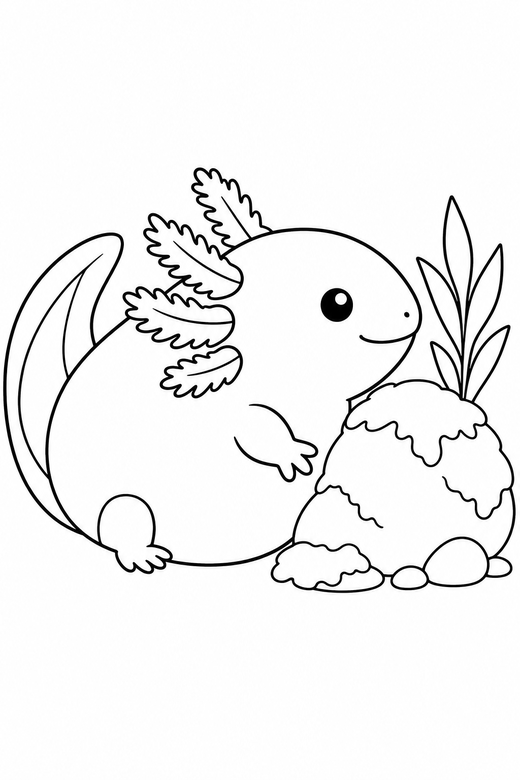
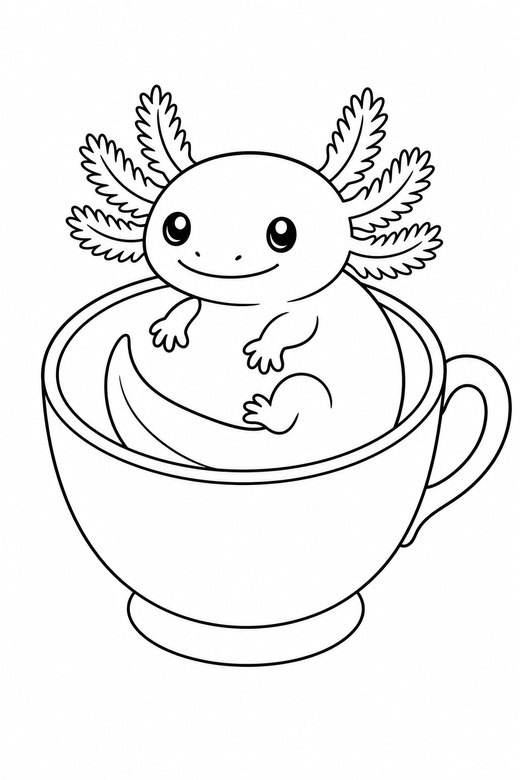
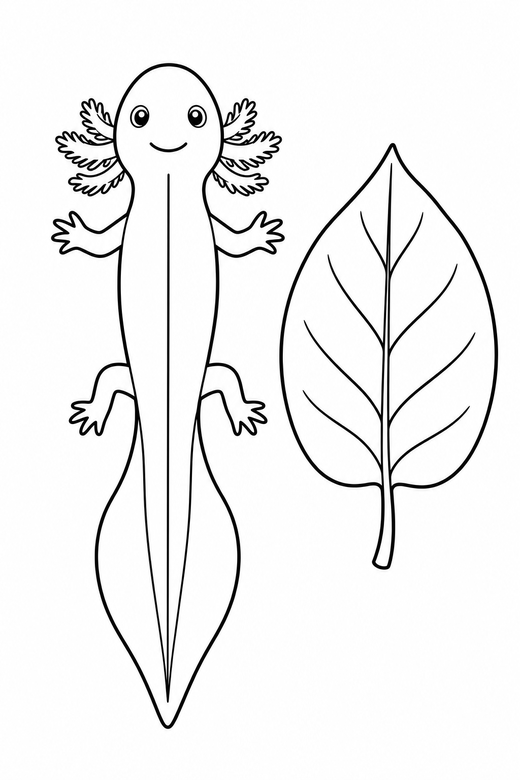
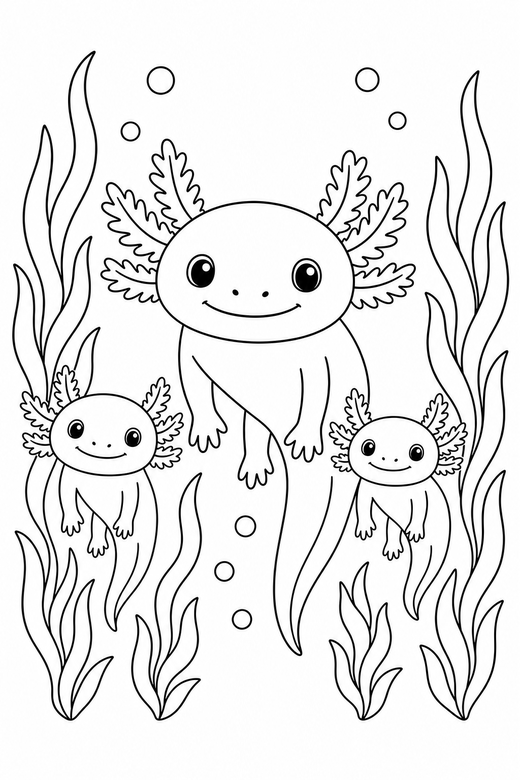
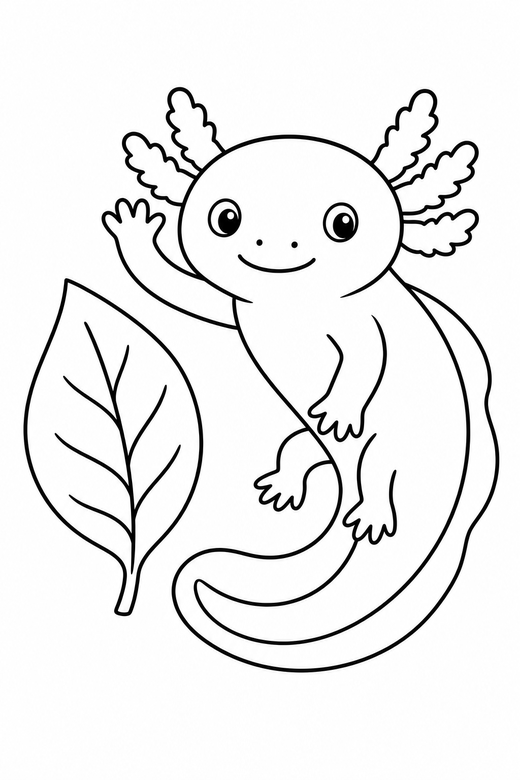
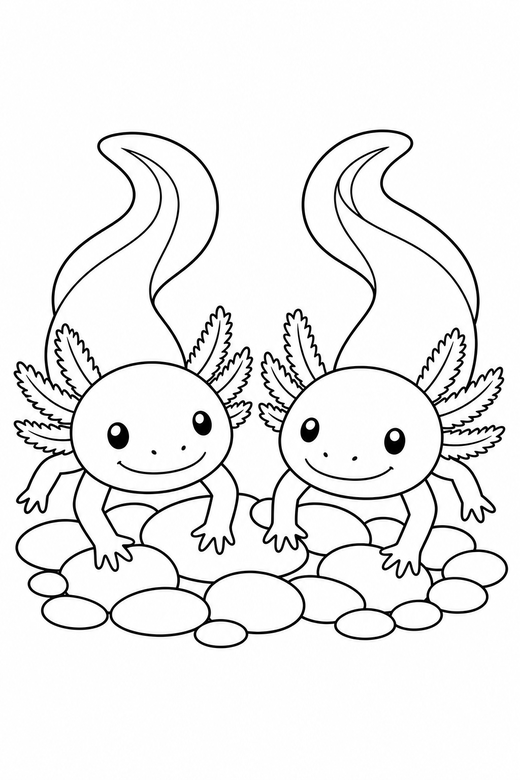
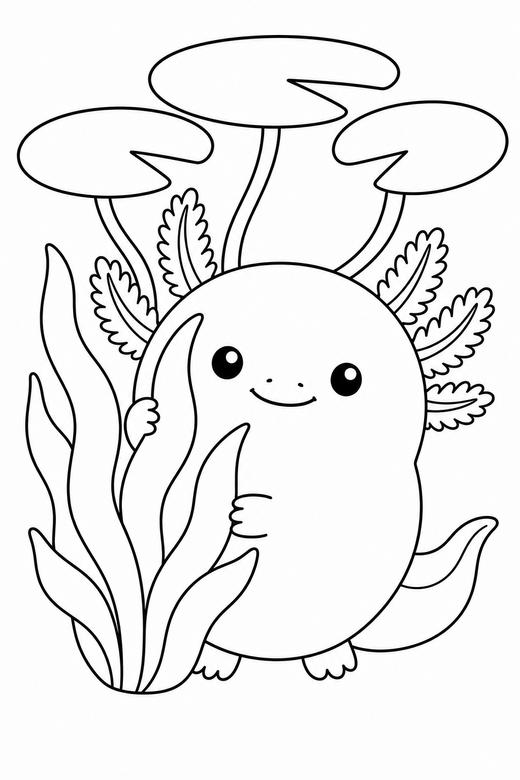
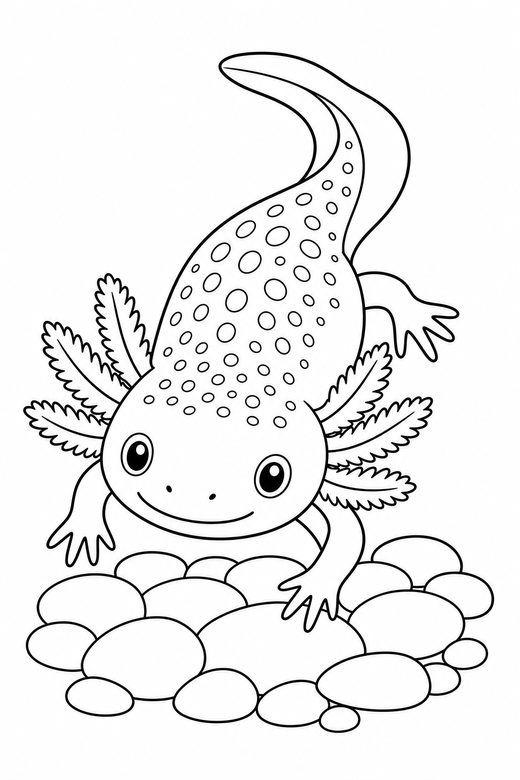
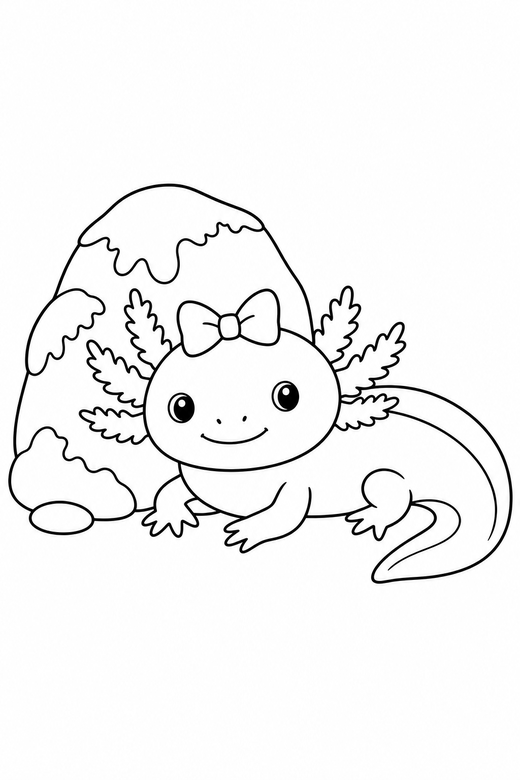
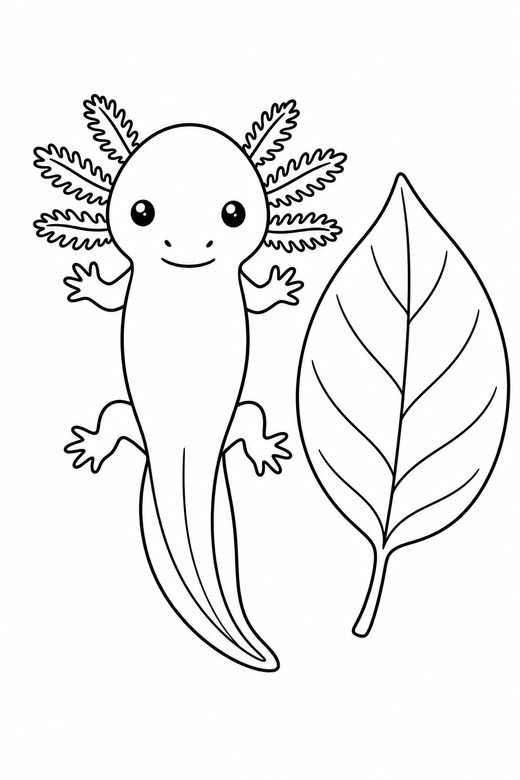
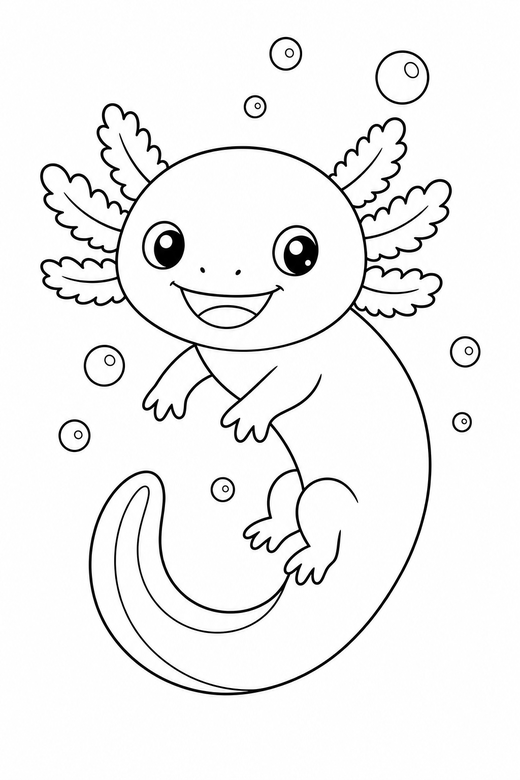
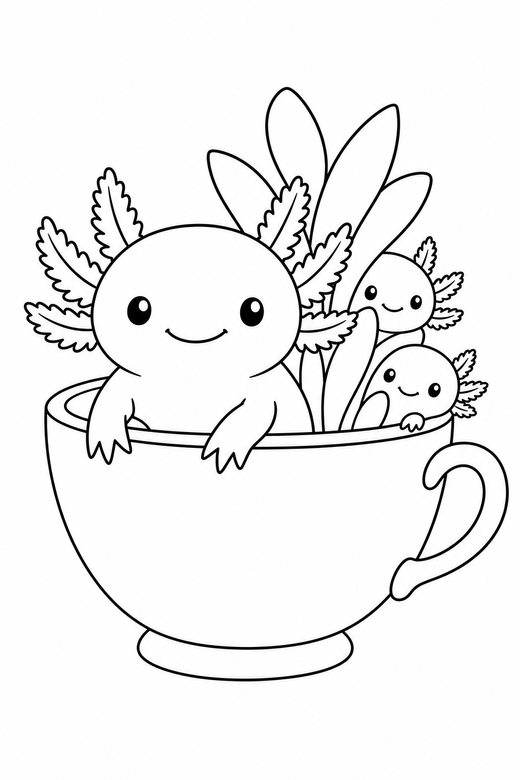
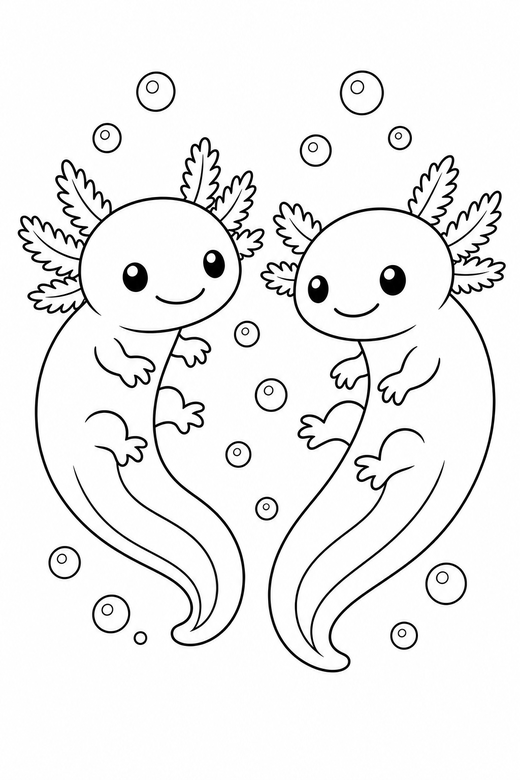
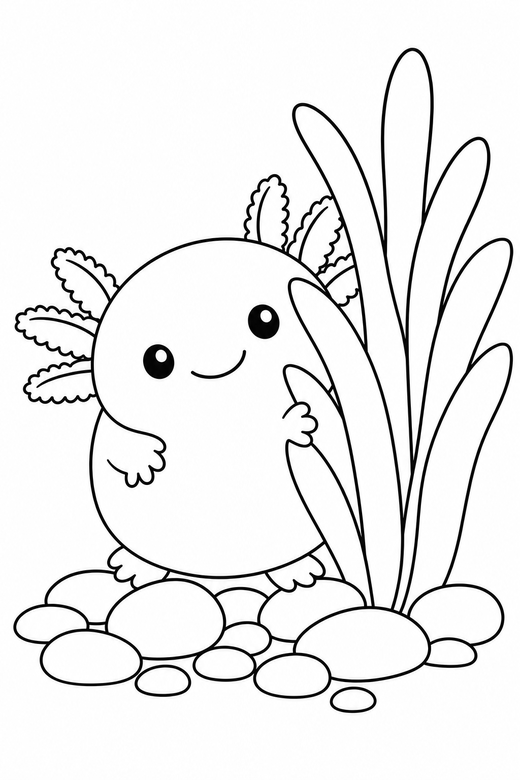
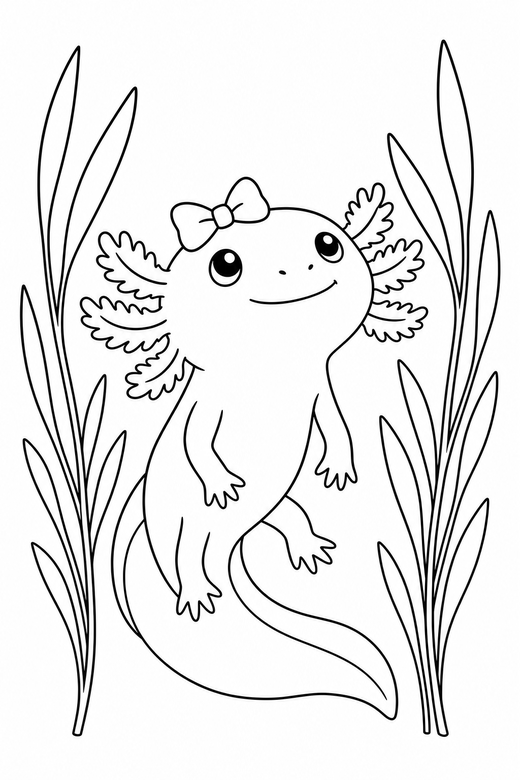
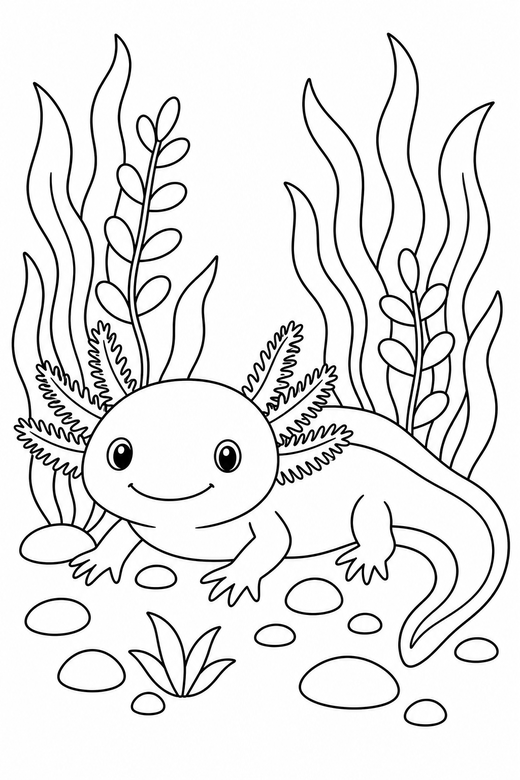
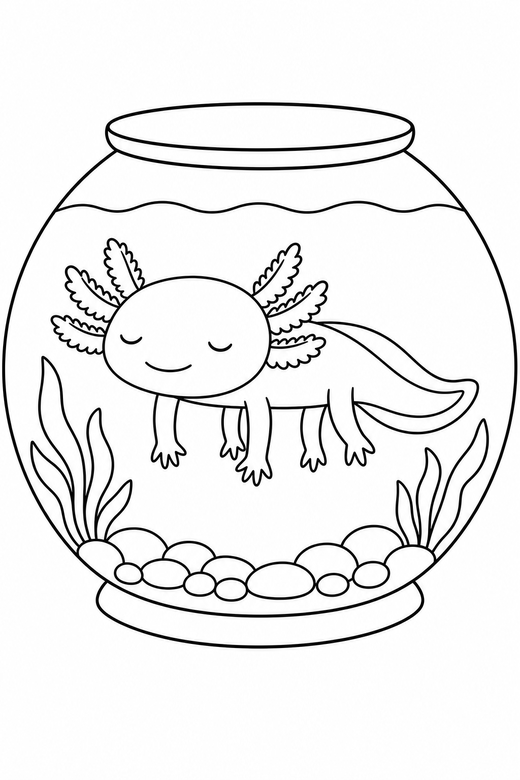
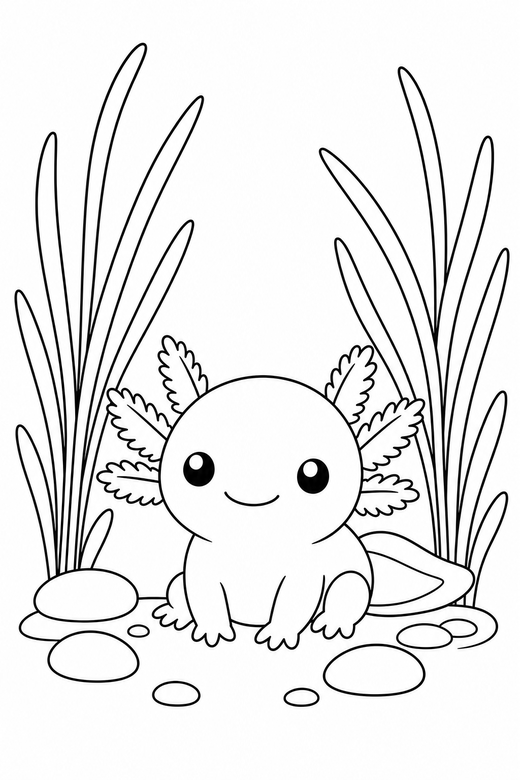
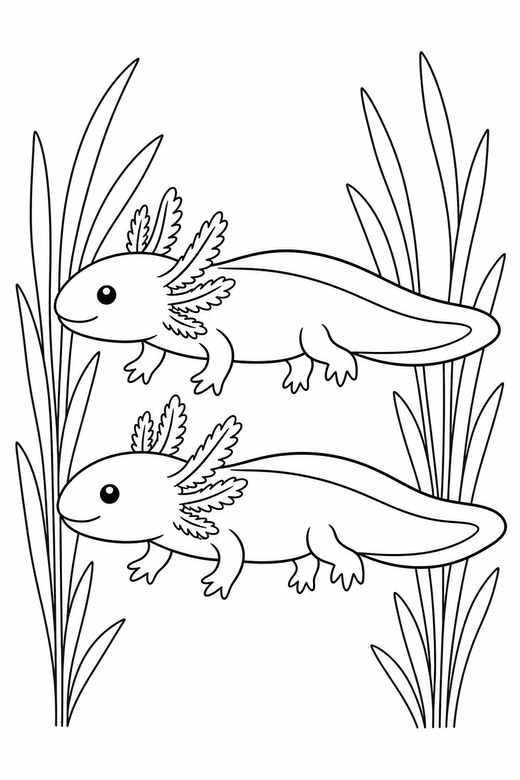
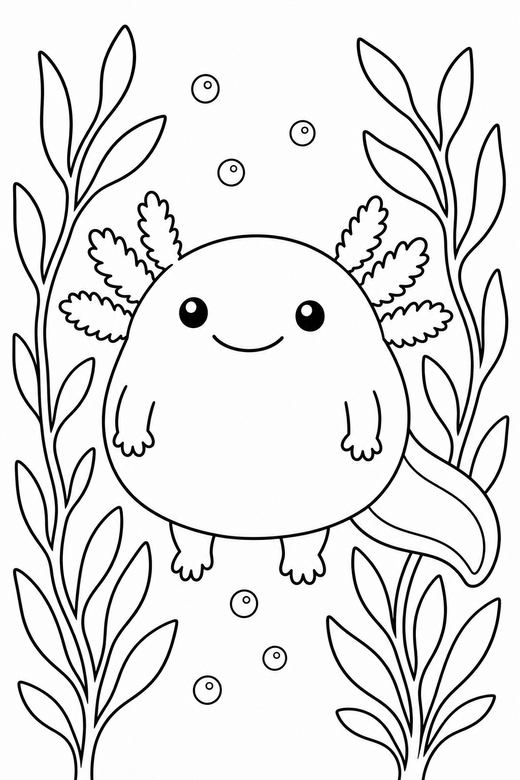
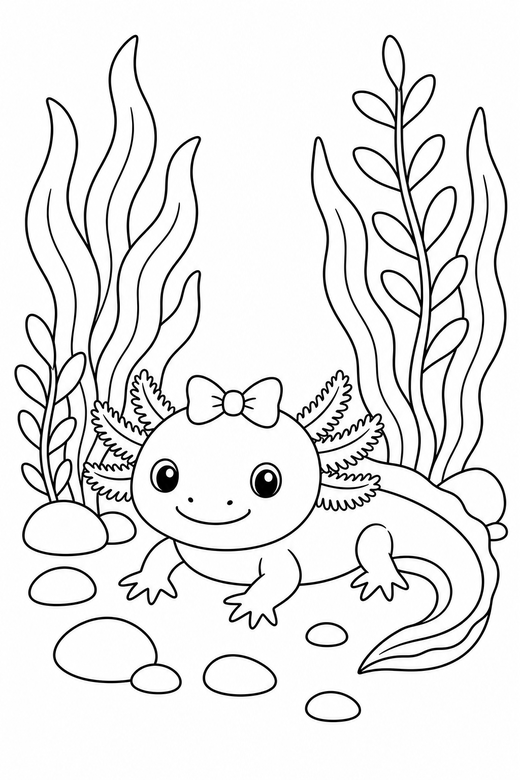
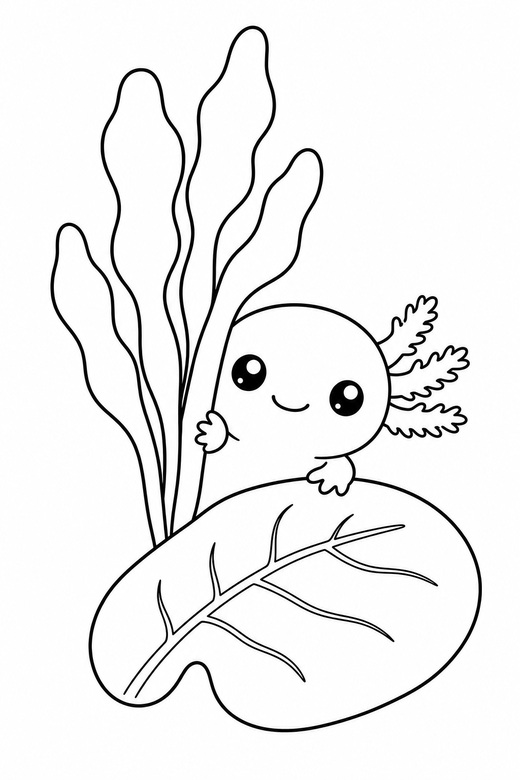
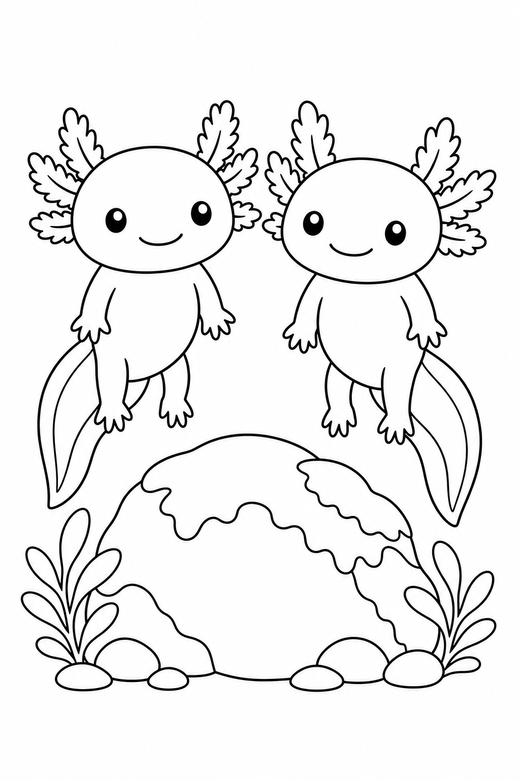
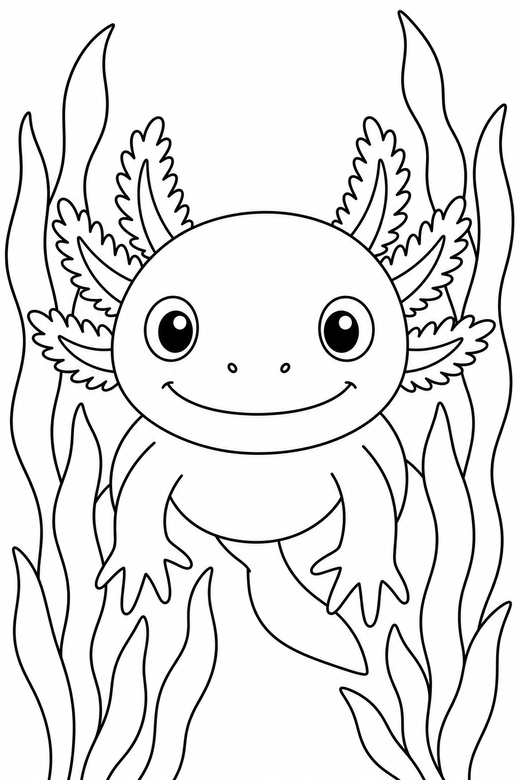
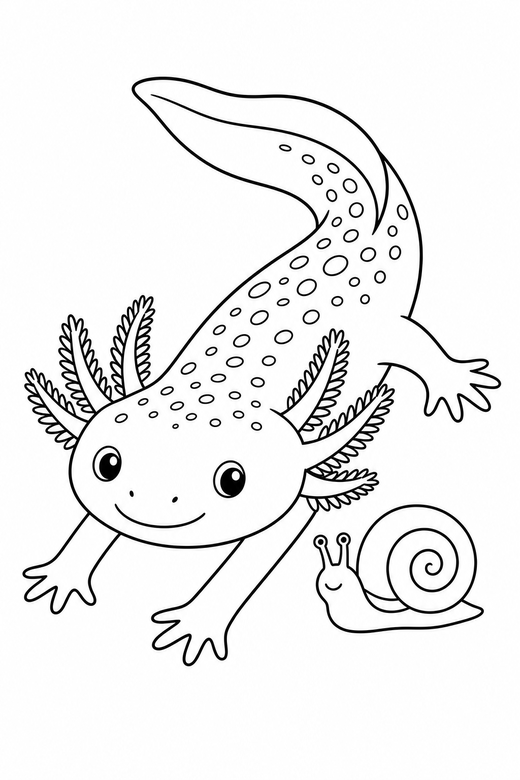
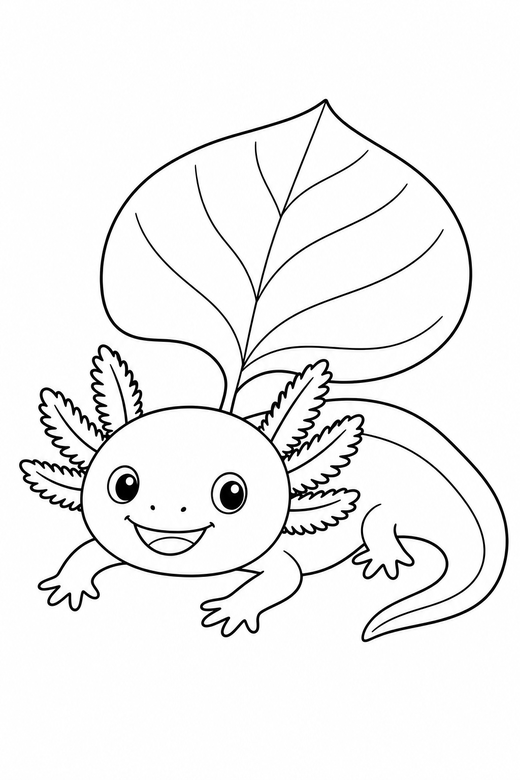
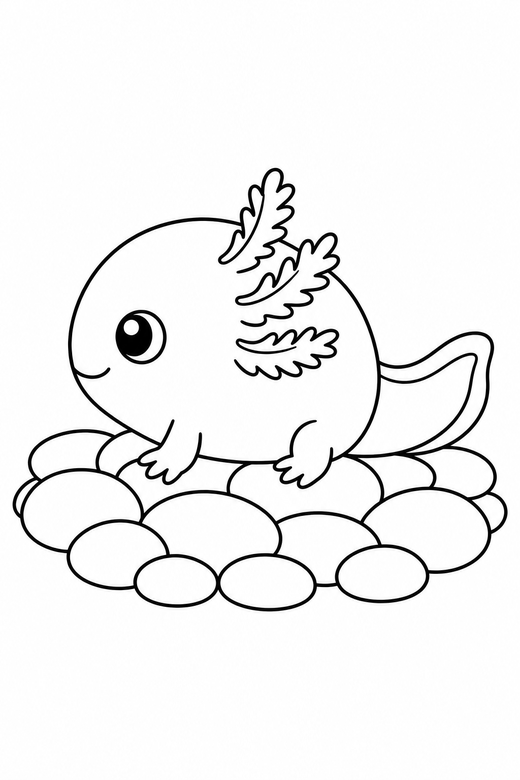
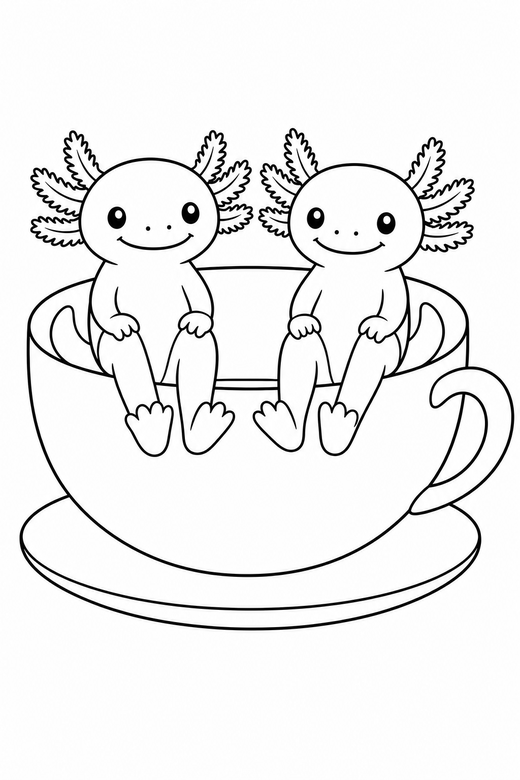
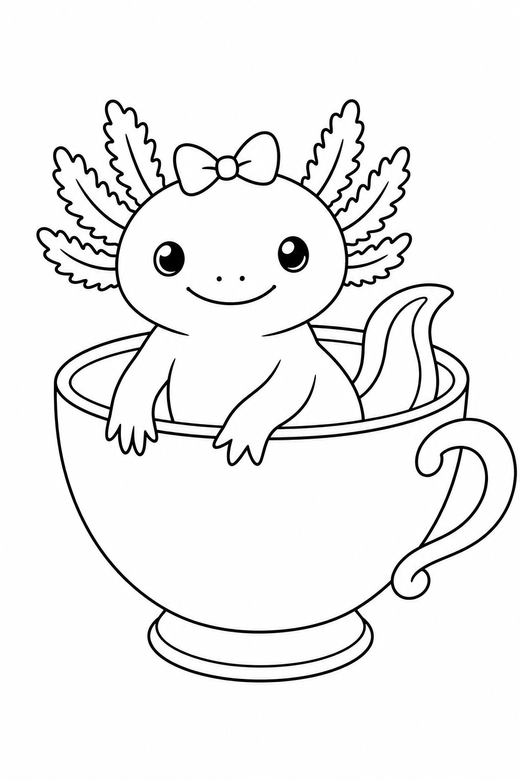
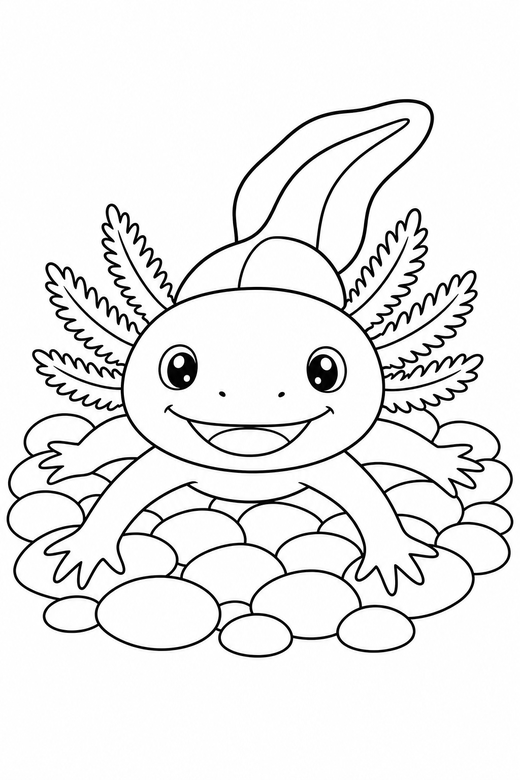
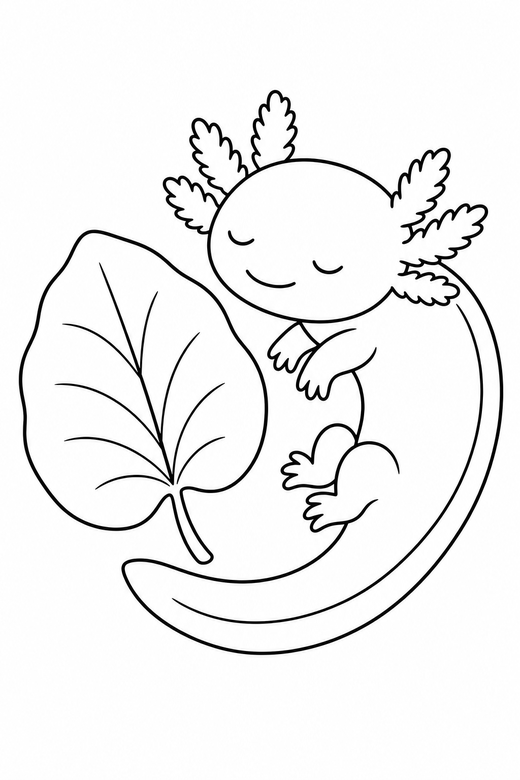
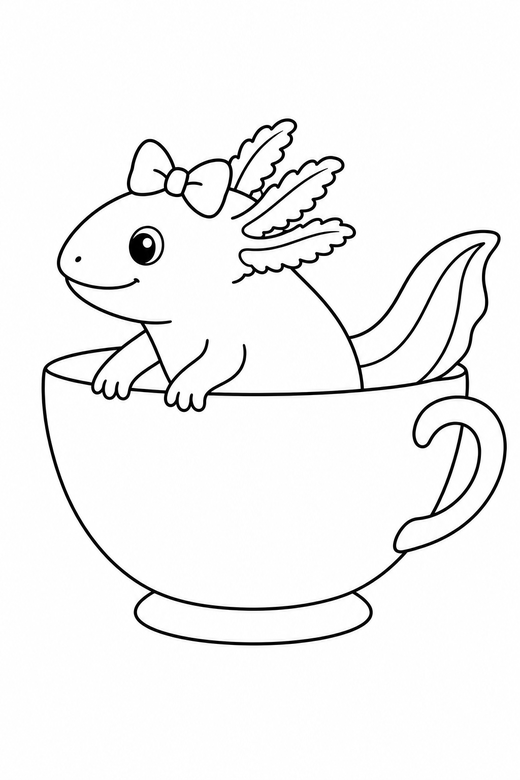
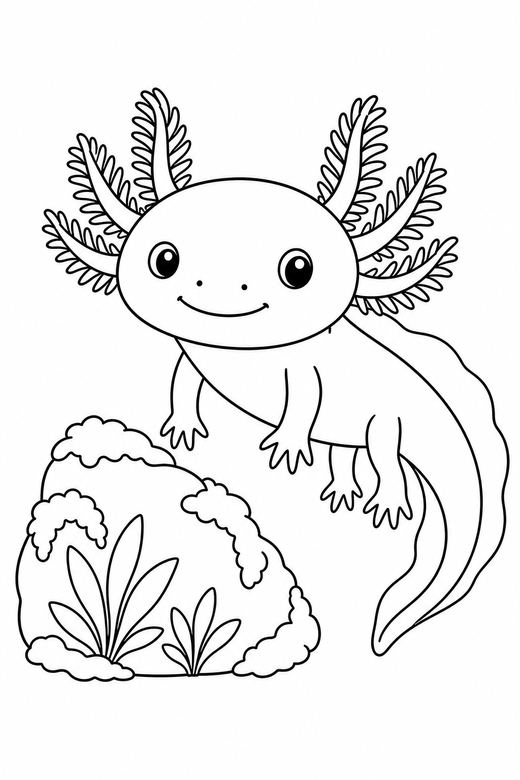
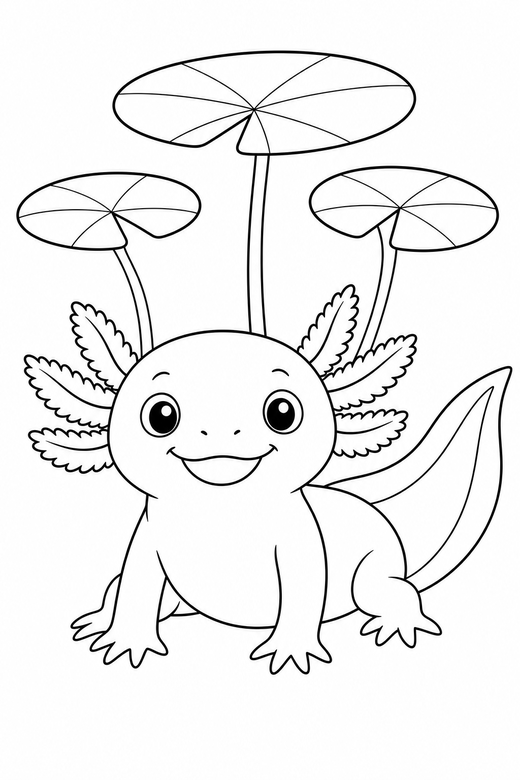
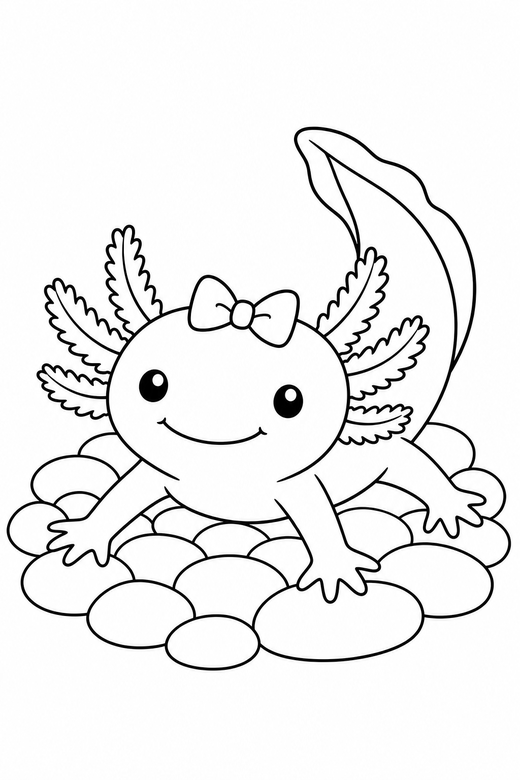
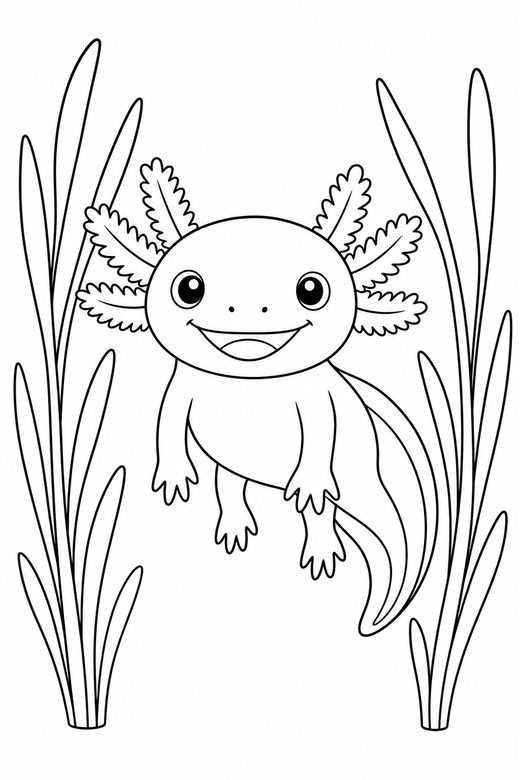
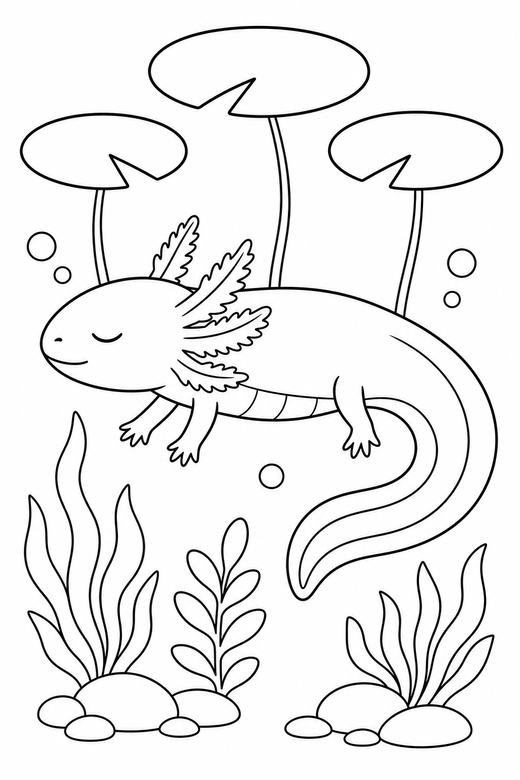
Long axolotl stretching on pebbles #1 A long slender axolotl with a wide tail fin stretching out its legs on a bed of smooth pebbles Sleepy axolotl resting under lily pads #2 An axolotl with closed, sleepy eyes resting on the bottom under floating lily pads Axolotl family resting among reeds #3 A large axolotl with two small ones resting on the bottom among slender reeds Baby axolotl seen from above on pebbles #4 A tiny round baby axolotl seen from directly above on a bed of smooth pebbles Waving axolotl sitting in a tank #5 An axolotl lifting one front leg as if waving sitting up on its front legs inside a rounded glass tank Two axolotls sitting on pebbles #6 Two axolotls side by side sitting up on their front legs on a bed of smooth pebbles Axolotl face on pebbles #7 A close-up axolotl face with wide eyes and frilled gills on a bed of smooth pebbles, drawn large with generous white space around Chubby axolotl curled with a snail #8 A very round, chubby axolotl curled into a comma shape next to a small water snail Patterned axolotl floating among reeds #9 An axolotl with speckled patterning on its back floating with its legs hanging down among slender reeds Axolotl with a bow seen from above #10 An axolotl wearing a small bow seen from directly above with small bubbles rising around it Axolotl peeking with a snail #11 An axolotl with feathery external gills peeking out from behind a plant next to a small water snail Smiling axolotl resting in a teacup #12 A smiling cartoon axolotl resting on the bottom sitting in an oversized teacup Long axolotl swimming in a tank #13 A long slender axolotl with a wide tail fin swimming forward with its tail curved inside a rounded glass tank Sleepy axolotl swimming under lily pads #14 An axolotl with closed, sleepy eyes swimming forward with its tail curved under floating lily pads Axolotl family stretching with a snail #15 A large axolotl with two small ones stretching out its legs next to a small water snail Baby axolotl resting among water plants #16 A tiny round baby axolotl resting on the bottom among tall water plants Two axolotls seen from above #17 Two axolotls side by side seen from directly above among tall water plants Axolotl face in a tank #18 A close-up axolotl face with wide eyes and frilled gills inside a rounded glass tank, tilted at a gentle angle Chubby axolotl swimming with a snail #19 A very round, chubby axolotl swimming forward with its tail curved next to a small water snail Patterned axolotl peeking among reeds #20 An axolotl with speckled patterning on its back peeking out from behind a plant among slender reeds Axolotl resting in a tank #21 An axolotl with feathery external gills resting on the bottom inside a rounded glass tank Smiling axolotl stretching #22 A smiling cartoon axolotl stretching out its legs among tall water plants Long axolotl resting among water plants #23 A long slender axolotl with a wide tail fin resting on the bottom among tall water plants Sleepy axolotl seen from above near a rock #24 An axolotl with closed, sleepy eyes seen from directly above beside a mossy rock Axolotl family curled in a tank #25 A large axolotl with two small ones curled into a comma shape inside a rounded glass tank Two axolotls resting with a snail #26 Two axolotls side by side resting on the bottom next to a small water snail Axolotl face with a snail #27 A close-up axolotl face with wide eyes and frilled gills next to a small water snail, drawn large with generous white space around Chubby axolotl sitting in a tank #28 A very round, chubby axolotl sitting up on its front legs inside a rounded glass tank Patterned axolotl looking up with bubbles #29 An axolotl with speckled patterning on its back looking upward with small bubbles rising around it Axolotl with a bow floating under lily pads #30 An axolotl wearing a small bow floating with its legs hanging down under floating lily pads Axolotl curled near a rock #31 An axolotl with feathery external gills curled into a comma shape beside a mossy rock Smiling axolotl seen from above in a teacup #32 A smiling cartoon axolotl seen from directly above sitting in an oversized teacup Sleepy axolotl sitting in a teacup #33 An axolotl with closed, sleepy eyes sitting up on its front legs sitting in an oversized teacup Axolotl family peeking on pebbles #34 A large axolotl with two small ones peeking out from behind a plant on a bed of smooth pebbles Baby axolotl looking up with a snail #35 A tiny round baby axolotl looking upward next to a small water snail Waving axolotl swimming near a rock #36 An axolotl lifting one front leg as if waving swimming forward with its tail curved beside a mossy rock Two axolotls looking up with a leaf #37 Two axolotls side by side looking upward beside a single broad leaf Axolotl face among reeds #38 A close-up axolotl face with wide eyes and frilled gills among slender reeds, tilted at a gentle angle Patterned axolotl curled near a rock #39 An axolotl with speckled patterning on its back curled into a comma shape beside a mossy rock Axolotl with a bow curled in a teacup #40 An axolotl wearing a small bow curled into a comma shape sitting in an oversized teacup Axolotl resting under lily pads #41 An axolotl with feathery external gills resting on the bottom under floating lily pads Smiling axolotl swimming among reeds #42 A smiling cartoon axolotl swimming forward with its tail curved among slender reeds Long axolotl side view among reeds #43 A long slender axolotl with a wide tail fin shown in side profile among slender reeds Sleepy axolotl resting among water plants #44 An axolotl with closed, sleepy eyes resting on the bottom among tall water plants Waving axolotl peeking in a teacup #45 An axolotl lifting one front leg as if waving peeking out from behind a plant sitting in an oversized teacup Two axolotls seen from above under lily pads #46 Two axolotls side by side seen from directly above under floating lily pads Axolotl face under lily pads #47 A close-up axolotl face with wide eyes and frilled gills under floating lily pads, drawn large with generous white space around Chubby axolotl side view near a rock #48 A very round, chubby axolotl shown in side profile beside a mossy rock Axolotl curled in a teacup #49 An axolotl with feathery external gills curled into a comma shape sitting in an oversized teacup Long axolotl seen from above with a leaf #50 A long slender axolotl with a wide tail fin seen from directly above beside a single broad leaf Axolotl family floating among water plants #51 A large axolotl with two small ones floating with its legs hanging down among tall water plants Waving axolotl curled with a leaf #52 An axolotl lifting one front leg as if waving curled into a comma shape beside a single broad leaf Two axolotls swimming on pebbles #53 Two axolotls side by side swimming forward with their tail curved on a bed of smooth pebbles Chubby axolotl peeking under lily pads #54 A very round, chubby axolotl peeking out from behind a plant under floating lily pads Patterned axolotl swimming on pebbles #55 An axolotl with speckled patterning on its back swimming forward with its tail curved on a bed of smooth pebbles Axolotl with a bow resting near a rock #56 An axolotl wearing a small bow resting on the bottom beside a mossy rock Axolotl seen from above with a leaf #57 An axolotl with feathery external gills seen from directly above beside a single broad leaf Smiling axolotl curled with bubbles #58 A smiling cartoon axolotl curled into a comma shape with small bubbles rising around it Axolotl family peeking in a teacup #59 A large axolotl with two small ones peeking out from behind a plant sitting in an oversized teacup Two axolotls curled with bubbles #60 Two axolotls side by side curled into a comma shape with small bubbles rising around them Chubby axolotl peeking on pebbles #61 A very round, chubby axolotl peeking out from behind a plant on a bed of smooth pebbles Axolotl with a bow looking up among reeds #62 An axolotl wearing a small bow looking upward among slender reeds Axolotl resting among water plants #63 An axolotl with feathery external gills resting on the bottom among tall water plants Sleepy axolotl floating in a tank #64 An axolotl with closed, sleepy eyes floating with its legs hanging down inside a rounded glass tank Baby axolotl resting among reeds #65 A tiny round baby axolotl resting on the bottom among slender reeds Two axolotls side view among reeds #66 Two axolotls side by side shown in side profile among slender reeds Chubby axolotl floating among water plants #67 A very round, chubby axolotl floating with its legs hanging down among tall water plants Axolotl with a bow resting #68 An axolotl wearing a small bow resting on the bottom among tall water plants Axolotl looking up on pebbles #69 An axolotl with feathery external gills looking upward on a bed of smooth pebbles Smiling axolotl peeking among reeds #70 A smiling cartoon axolotl peeking out from behind a plant among slender reeds Sleepy axolotl resting among reeds #71 An axolotl with closed, sleepy eyes resting on the bottom among slender reeds Two axolotls floating with a snail #72 Two axolotls side by side floating with their legs hanging down next to a small water snail Chubby axolotl sitting with bubbles #73 A very round, chubby axolotl sitting up on its front legs with small bubbles rising around it Patterned axolotl sitting among water plants #74 An axolotl with speckled patterning on its back sitting up on its front legs among tall water plants Smiling axolotl seen from above in a tank #75 A smiling cartoon axolotl seen from directly above inside a rounded glass tank Axolotl family side view near a rock #76 A large axolotl with two small ones shown in side profile beside a mossy rock Baby axolotl peeking with a leaf #77 A tiny round baby axolotl peeking out from behind a plant beside a single broad leaf Two axolotls floating near a rock #78 Two axolotls side by side floating with their legs hanging down beside a mossy rock Axolotl face among water plants #79 A close-up axolotl face with wide eyes and frilled gills among tall water plants, filling the page Patterned axolotl stretching with a snail #80 An axolotl with speckled patterning on its back stretching out its legs next to a small water snail Waving axolotl side view among water plants #81 An axolotl lifting one front leg as if waving shown in side profile among tall water plants Two axolotls seen from above among reeds #82 Two axolotls side by side seen from directly above among slender reeds Chubby axolotl sitting near a rock #83 A very round, chubby axolotl sitting up on its front legs beside a mossy rock Axolotl floating with bubbles #84 An axolotl with feathery external gills floating with its legs hanging down with small bubbles rising around it Smiling axolotl resting with a leaf #85 A smiling cartoon axolotl resting on the bottom beside a single broad leaf Baby axolotl side view on pebbles #86 A tiny round baby axolotl shown in side profile on a bed of smooth pebbles Two axolotls stretching in a teacup #87 Two axolotls side by side stretching out their legs sitting in an oversized teacup Axolotl with a bow swimming in a teacup #88 An axolotl wearing a small bow swimming forward with its tail curved sitting in an oversized teacup Long axolotl sitting near a rock #89 A long slender axolotl with a wide tail fin sitting up on its front legs beside a mossy rock Baby axolotl looking up in a tank #90 A tiny round baby axolotl looking upward inside a rounded glass tank Patterned axolotl side view in a teacup #91 An axolotl with speckled patterning on its back shown in side profile sitting in an oversized teacup Axolotl with a bow looking up with a leaf #92 An axolotl wearing a small bow looking upward beside a single broad leaf Smiling axolotl stretching on pebbles #93 A smiling cartoon axolotl stretching out its legs on a bed of smooth pebbles Sleepy axolotl curled with a leaf #94 An axolotl with closed, sleepy eyes curled into a comma shape beside a single broad leaf Axolotl with a bow side view in a teacup #95 An axolotl wearing a small bow shown in side profile sitting in an oversized teacup Axolotl floating near a rock #96 An axolotl with feathery external gills floating with its legs hanging down beside a mossy rock Smiling axolotl sitting under lily pads #97 A smiling cartoon axolotl sitting up on its front legs under floating lily pads Axolotl with a bow stretching on pebbles #98 An axolotl wearing a small bow stretching out its legs on a bed of smooth pebbles Smiling axolotl floating among reeds #99 A smiling cartoon axolotl floating with its legs hanging down among slender reeds Sleepy axolotl side view under lily pads #100 An axolotl with closed, sleepy eyes shown in side profile under floating lily pads The gills are the reason this animal works so well as a coloring page. Six feathery branches on each side break the head into a dozen small shapes, so there is somewhere for every colour to go before you even reach the body. One hundred designs: chubby ones, long slender ones, sleepy ones with their eyes closed, a few wearing a bow, and close-up faces where the gills fill most of the page.
Ways to use these axolotl coloring pages One colour per gill branch. The gills are the only part of this animal that comes pre-divided. Working through them one branch at a time gives a young child a clear finishing point instead of a vague pink shape.Real axolotls are not only pink. Wild ones are dark brown and grey, and the pale pink kind is only one variety. Saying so before the crayons come out usually gets a more interesting sheet back.Use the close-up faces for small hands. On designs 7, 18, 27 and 38 the head fills the sheet, so every shape is large. These finish faster than the full-body pages.
Every design downloads as a US Letter PDF that also scales cleanly to A4 with
“Fit to printable area”. Print in grayscale, there is no color in the files. Ordinary copier
paper is fine for crayons and pencils; use cardstock or slip a spare sheet underneath for markers.
Free to print at home, in a classroom or in a library, see the license .
Frequently asked questions What is the feathery part on its head? Those are external gills, which is what makes an axolotl look the way it does. It is a salamander that keeps its larval gills for life instead of losing them, and on these pages the gills are drawn as separate enclosed branches so they can be coloured individually.
Which is the simplest page? Design 65. A baby axolotl among reeds, which are drawn as a few straight lines rather than dense planting. The baby designs generally are the ones to reach for: small round bodies and short gills, so a young child finishes the animal itself quickly.
Are any detailed enough for an adult? Yes. The close-up faces and the speckled designs carry fine internal work that rewards pens over crayons.
Is there more than one axolotl on a page? Often. Twelve designs show two axolotls side by side and seven show a large one with smaller ones, which is useful when two children want the same sheet.
More printable collections